Atomic and molecular structure, spectra, collisions, and data. Atoms and molecules in external fields. Molecular dynamics and coherent and optical control. Cold atoms and molecules. Cold collisions. Optical lattices.
We show that microwave shielding on the rotational transition $n=1\rightarrow 2$ can be effective in preventing destructive collisions between ultracold polar molecules. It is slightly less efficient than shielding on the transition $0\rightarrow 1$, but has some important advantages. In particular, it does not produce 2-molecule bound states under the conditions needed for shielding, so it will not enhance 3-body recombination. It thus obviates the need for double-field microwave shielding using a second field of different polarization.
Reversible dynamics in cavity QED make extracting metrological gains as central as creating entanglement.
abstractclick to expand
Quantum-enhanced metrology relies on entanglement to achieve sensitivities beyond the standard quantum limit. While remarkable progress has been made in generating highly entangled many-body states, extracting their metrological advantage remains a central challenge because the encoded information is often inaccessible to realistic measurements. A key development of the past decade has been the realization that many-body interactions can play a dual role: they can be used not only to generate entanglement, but also to decode it. This idea underlies interaction-based readout and time-reversal protocols, in which controlled non-linear dynamics transform weakly encoded signals into experimentally accessible observables. Cavity quantum electrodynamics (QED) provides a particularly powerful setting for these approaches because it combines collective enhancement, tunable interactions, and controllable reversibility within a single platform. In this review, we discuss the emergence of time-reversal protocols in cavity QED, from their conceptual roots in Loschmidt echoes to modern implementations of signal amplification through a time-reversed interaction (SATIN), scrambling-enhanced metrology, and more general interaction-based readout schemes. We examine the physical mechanisms that enable reversible many-body dynamics, review key experimental demonstrations, and discuss future directions involving complex entangled states, nonlinear decoding, and emerging quantum platforms. Together, these developments suggest that the ability to decode quantum information may become as important as the ability to generate it, establishing reversible many-body dynamics as a central resource for quantum-enhanced sensing.
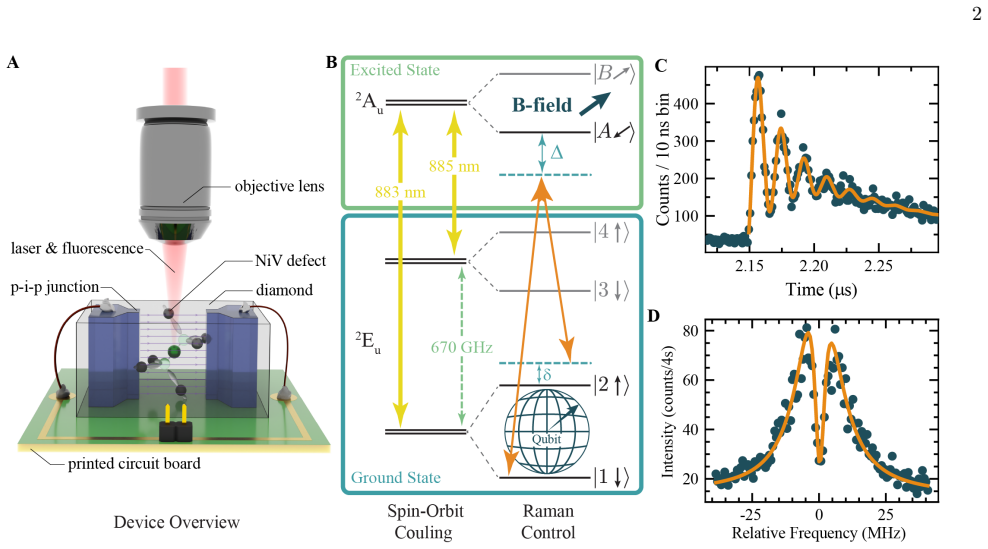
Quantum networks require qubits that combine efficient optical access, coherent control, and long-lived quantum memory, but realizing all three in one scalable platform remains a central bottleneck. Diamond color centers are leading candidates, yet widely studied defects retain tradeoffs among these capabilities. Here, we show that transition-metal defects in diamond provide a distinct route beyond these platforms by combining spin-orbit protected ground-state coherence, all-optical control, and near-infrared emission. Using a single nickel-vacancy (NiV$^-$), we demonstrate an all-optically controlled diamond spin qubit with coherence exceeding one millisecond at 1.65 K, compatible with compact closed-cycle cryogenics. We implement Raman Rabi oscillations and Ramsey interferometry and use all-optical dynamical decoupling to extend coherence from $T_2^*$ = 371 ns to $T_2^{CPMG-4}$ = 1.27 ms, establishing NiV$^-$ as a deployable diamond spin-photon interface.
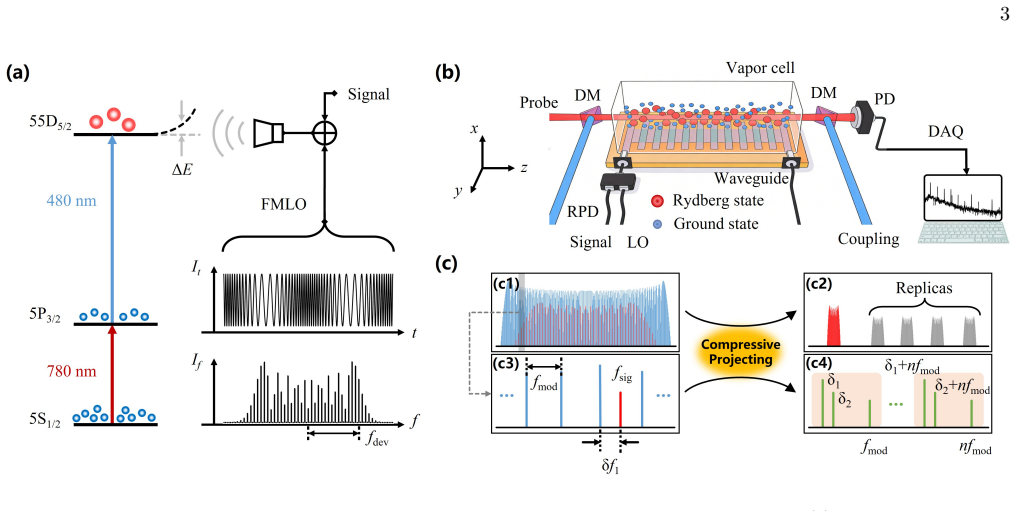
Rydberg-atomic receivers exhibit exceptional sensitivity yet are fundamentally constrained by the narrow instantaneous bandwidth, limiting their practical deployment in broadband scenarios. Prior approaches typically expand the bandwidth by physically broadening the atomic response, which usually requires auxiliary electromagnetic fields or stringent parameter tuning, thereby increasing overall system complexity. Here, we propose a compressive spectral multiplexing framework implemented in a waveguide-coupled Rydberg atomic receiver using a frequency-modulated local oscillator (FMLO). The FMLO creates multiple parallel sensing channels that collectively constitute a physical compressive sensing matrix, generating multiple narrowband intermediate-frequency replicas of the input signal. Thus, a broadband microwave spectrum is projected onto a set of narrowband atomic responses. It is demonstrated that spectral information spanning a bandwidth of over 640 MHz can be effectively compressed into the intrinsic atomic bandwidth of 126 kHz, achieving a spectrum compression ratio exceeding 1000. Furthermore, these output replicas offer intrinsic measurement redundancy and facilitate signal-to-noise ratio enhancement. An approximate 10 dB gain is achieved in the required bit-energy-to-noise-power-density ratio for multi-channel communication via maximal-ratio combining. This approach requires no auxiliary fields or broadband electronics, providing a simple and scalable pathway for chip-scale quantum receivers, latency-critical sensing, and next-generation wireless communications.
We show that exchange symmetry in collisions of identical particles enables symmetry-protected coherent control of the total scattering cross section. For identical fermions, antisymmetrization enforces complete phase synchronization of the contributing scattering channels, yielding maximal control visibility. For identical bosons, synchronization persists but with reduced visibility due to additional exchange (satellite) contributions. Collisions of distinguishable particles lack this symmetry-imposed phase locking, leading to lower controllability and visibility. We elucidate these principles through coupled-channel quantum-scattering calculations for lithium-lithium collisions, comparing the $^{6}\mathrm{Li}$-$^{6}\mathrm{Li}$ (identical fermions), $^{7}\mathrm{Li}$-$^{7}\mathrm{Li}$ (identical bosons), and $^{6}\mathrm{Li}$-$^{7}\mathrm{Li}$ (distinguishable) systems. Furthermore, in the identical particle cases, symmetry-enforced synchronization enables full control over the parity of the final state at any collisional energy. This mechanism is broadly applicable to identical-particle collisions, including homonuclear molecules for which established approaches -- DC electric fields, or microwave shielding -- are ineffective or unavailable.
Permanent electric dipole moments (EDMs) of nucleons, nuclei, atoms, and molecules are among the most sensitive probes of CP violation beyond the Standard Model and are intimately connected to the strong CP problem and the origin of the matter-antimatter asymmetry of the universe. This review presents the theory of EDMs from the bottom up, tracing the chain of connections that links CP-violating interactions at level of elementary particles to observable EDMs across a wide range of systems. Starting from a general CP-odd effective Lagrangian at the quark-gluon level comprising the QCD theta term, quark EDMs and chromo-EDMs, the Weinberg operator, and CP-odd four-fermion interactions, I show how chiral perturbation theory organizes the nonperturbative QCD dynamics into a small set of hadronic low-energy constants, whose relative sizes are determined by the chiral representation of the underlying source. These hadronic interactions feed into calculations of nuclear EDMs and Schiff moments, which in turn enter atomic and molecular structure calculations that connect to experimentally accessible observables in diamagnetic and paramagnetic systems. Special attention is given to the recently identified sensitivity of paramagnetic systems to hadronic CP violation, which opens a new and relatively unexplored window on the quark-gluon sector. The complementarity of the full EDM portfolio including the neutron, light nuclei, atoms, and molecules, and the role of theory in disentangling the underlying source of CP violation is discussed throughout.
We present a laser system referenced to a room-temperature ultrastable cavity employing crystalline AlGaAs coatings. We demonstrate a fractional frequency instability of $4.2 \times 10^{-17}$, which is one of the lowest for room temperature systems and surpasses the limit imposed by Brownian noise if dielectric coatings were employed. For the first time in a room temperature system we identified the spontaneous fluctuations of the coating birefringence as a leading contribution to frequency instability. At optimized conditions we achieve an ultrastable cavity with an eigenfrequency that is highly immune to power fluctuations. As acceleration noise is the main noise contribution, we demonstrated that a feed-forward method can reduce the influence of accelerations on the cavity-stabilized laser frequency by a factor of four.
We present new and improved calculations of Stark-broadened profiles for ionized helium, a key ingredient in the spectroscopic analysis of helium-atmosphere DO white dwarfs. Our approach builds upon the computer simulation framework previously developed for neutral helium, which fully accounts for the dynamical interactions of both ions and electrons with the emitting helium atom. We extend this theoretical formalism by relaxing the assumption of straight-line trajectories for the perturbing particles (electrons and ionized helium) and adopting the hyperbolic trajectories appropriate for their interaction with a charged emitter, thereby accounting for their dynamical influence on the line-broadening process. In this exploratory study, we focus on the He II 4686 line, the strongest absorption feature observed in the spectra of DO white dwarfs. We present the resulting Stark profiles and perform a detailed comparison with those available in the literature.
We determine with high accuracy the energy of the inner-shell transition $1s^2 2s^2~{}^1\mathrm{S}_0 \rightarrow 1s~2s^2~2p_{3/2}~{}^1\mathrm{P}_1$ ${}^{16}\mathrm{O}_{K\alpha}^{4+}$ at $554.372(3)~\mathrm{eV}$ ($\lambda$ = $22.36480(12)~\unicode{x212B}$) as well as its small shift of $2.2 \pm 1.3~\mathrm{meV}$ ($\Delta \lambda$ = $0.089(52)~\mathrm{m}\unicode{x212B}$) for the ${}^{18}\mathrm{O}$ isotope. This transition blends with a $K_\alpha$ line of $\mathrm{O}^{5+}$ used in astrophysical diagnostics, potentially affecting its reliability. In contrast to our experimental uncertainty of $\pm 3~\mathrm{meV}$, advanced electronic structure predictions for this four-electron system, including quantum electrodynamic (QED) corrections on the order of $100~\mathrm{meV}$, still scatter by more than $\pm 250~\mathrm{meV}$. Ions generated and stored in an electron beam ion trap were excited at the ELETTRA synchrotron facility with monochromatic soft x rays, with photon energies corrected by an additional spectrometer. Upon resonant excitation of $\mathrm{O}^{4+}$ and subsequent autoionization, we separate the photoions of each isotope by a time-of-flight measurement. This way, we resolve soft x-ray isotopic shifts of a few meV, obtain very accurate data on an essential astrophysical ion, and test calculations down to the level of QED contributions.
Quantitative interpretation of atomic-resolution STEM-EELS requires dynamical simulation of the electron probe before and after core-loss transitions, which is computationally expensive. While the PRISM algorithm accelerates this by reusing scattering matrices, we introduce beam partitioning for both the probe-forming ($\mathcal{S}_1$) and detector-propagating ($\mathcal{S}_2$) PRISM matrices to further reduce computational and memory costs. Each matrix is calculated on a sparse set of parent beams and reconstructed via natural-neighbor interpolation locally at the ionized atom. A locality result demonstrates that the total error is governed entirely by this on-atom reconstruction error. The resulting BiP-PRISM algorithm removes per-scan exit wave propagation and significantly reduces memory requirements, enabling full-resolution elemental mapping, 4D cubes, and momentum-resolved qEELS on consumer-grade GPUs. We characterize the approximation's validity regime and demonstrate the simulation of a multimodal five-edge oxide-interface map and an FePt nanoparticle Fe-L map at 5x memory reduction, showing that the algorithm achieves high accuracy with significantly lower computational demands.
Photoelectron circular dichroism (PECD) reads molecular chirality from forward-backward asymmetries in photoelectron emission, but the same observable can also contain non-dipole contributions from photon momentum transfer. Here we show that such contributions can reshape attosecond PECD measurements in both one- and two-photon ionization of chiral molecules. Calculations beyond the dipole approximation, interpreted with perturbation theory, reveal that non-dipole effects modify not only the magnitude but also the phase of the emitted electron wave packet. In two-photon interferometry, pathway interference amplifies the non-dipole response and can reverse the apparent chiral asymmetry. We further identify a practical separation principle: the non-dipole component is insensitive to enantiomeric handedness and can therefore be obtained from a racemic mixture. Subtracting this background isolates the purely chirality-induced asymmetry, enabling more accurate measurements of chiral electron dynamics.
The nuclear-size effect on both diagonal and off-diagonal one-loop self-energy matrix elements is considered for hydrogenlike ions with $Z=60$, $82$, $90$, and $92$. Specifically, the $1s$, $2s$, $3s$, $2p_{1/2}$, and $2p_{3/2}$ states, as well as the off-diagonal $1s-2s$, $1s-3s$, and $2s-3s$ matrix elements are considered. The calculations are performed within the rigorous quantum-electrodynamics framework, nonperturbatively in the nuclear-strength parameter $\alpha Z$. Excellent agreement is found with results reported in the literature. Simple and useful approximate formulas to treat the nuclear-size correction are obtained, which, in particular, can be used to study the self-energy contributions to the field-shift factors.
Hybrid quantum platforms based on highly excited Rydberg atoms coupled to nanophotonics devices offer a promising route toward scalable quantum networks and integrated quantum technologies. However, the close proximity of Rydberg atoms to dielectric nanostructures makes these systems particularly susceptible to uncontrolled surface electric fields that can lead to a degradation of the excitation process. Here, we experimentally investigate Rydberg excitation of laser-cooled $^{87}$Rb atoms via the evanescent field of an optical nanofiber in the presence of fiber-guided red- and blue-detuned light fields as used to trap ground state atoms in fiber-based dipole traps. We observe a time evolution of the Rydberg excitation spectrum when both the dipole trapping fields are on and the additional spectral features that appear can be suppressed by applying an external oscillating electric field to the system, strongly indicating that surface charge accumulation is responsible for the observed spectral feature. The experimental results are reproduced qualitatively by a model that incorporates DC energy level shifts arising from electric fields generated by charges deposited on the nanofiber surface. We identify Rydberg-ground state collisional ionization, which is enhanced by the dipole trapping fields, as the dominant mechanism for charge generation. These results provide new insight into charge dynamics at dielectric nanophotonic interfaces and establish practical guidelines for mitigating surface charge-induced electric fields in fiber-integrated Rydberg quantum systems.
Augmenting Gaussian bases with exponential tails aligns theory with measured angular distributions except in the weakest-binding cases.
abstractclick to expand
The ab initio calculation of photoelectron angular distributions (PADs) for negative ions remains a significant theoretical challenge. In this work, we report a joint experimental and theoretical investigation of PADs for a series of molecular anions with varying polarities, including the nonpolar O2-, the weakly polar NO-, and the strongly polar AsO- and SbO-. To accurately describe the long-range electronic wavefunctions -- where photodetachment contributes most strongly -- we modified the standard Gaussian-type orbitals (GTOs) by augmenting them with a correct exponential Slater-tail basis set (~e^(-{\xi}r)). This simple yet effective approach significantly improves the agreement between the experimental and theoretical PADs for O2- and NO-. However, notable discrepancies persist for NO- for transitions to the v = 0 and v = 1 vibrational levels of neutral NO even after this correction. Given that our methodology successfully reproduced PADs for strongly polar anions (e.g., AsO- and SbO-), these residual discrepancies are unlikely to stem from "exit-channel scattering" induced by long-range dipole fields. Instead, we tentatively attribute the failure for NO- to the breakdown of the Born-Oppenheimer approximation or the frozen orbital approximation, arising from the extremely weak binding of the excess electron.
Many proposed extensions to the Standard Model of particle physics introduce new bosons that can mediate forces which couple to particle spin. Here we describe a search for such forces coupling spin-polarized neutrons and protons in our magnetometer to spin-polarized electrons within Earth. We measure these interactions by varying the orientation of an optical $^{199}$Hg-$^{133}$Cs free-precession comagnetometer mounted upon a precision rotation platform. From these measurements, we establish upper bounds on the dimensionless coupling constants associated with the axial-axial potential $V_2$ and the axial-vector potential $V_{11}$ as a function of the force's range $\lambda$. For the electron-neutron and electron-proton potential $V_2$ at infinite range, we find $|g_A^eg_A^n| \leq 3.0 \times 10^{-48}$ and $|g_A^eg_A^p| \leq 3.0 \times 10^{-47}$. For $V_{11}$, we find our most stringent bounds to be $|g_A^eg_V^n| \leq 2.2 \times 10^{-25}$ and $|g_A^eg_V^p| \leq 2.2 \times 10^{-24}$ at $\lambda \approx 10^3$ km. Our results represent an improvement over previous results by up to a factor of 17 and set the most stringent bounds on long-range axial-axial and axial-vector couplings between electron spins and neutron and proton spins.
We report the first demonstration of a laser-atomic oscillator with cesium (Cs) atoms. A laser-atomic oscillator (LAO) is analogous to an active mode-locked laser with a self-excited modulator, i.e. atoms, at a ground-state hyperfine transition frequency. Therefore, a LAO can be configured as the simplest active atomic clock or a self-oscillating, earth-field atomic magnetometer that delivers oscillation signals both optically and electrically. With the current experimental Cs-LAO setup, when it is configured as an atomic clock using the 0--0 hyperfine transition, the short-term fractional frequency instability is around 10$^{-10}$ level. When it is configured as a self-oscillating magnetometer using a magnetically-sensitive hyperfine transition, the magnetic field sensitivity is around 100 fT/$\sqrt{\rm{Hz}}$ at 60 Hz. The presented Cs-LAO uses a cavity length from $\sim6.5$ cm to $\sim11.4$ cm. Ultimately, the minimal length of a Cs-LAO device can be $\leq1.63$ cm. Our new efforts unlock the potential of building truly chip-scale atomic clocks and magnetometers.
We demonstrate a state-dependent Gaussian gate set on the motional modes of trapped $^{40}$Ca$^+$ ions, realized with an optical tweezer. Dynamic control of the tweezer intensity and position enables local displacement, squeezing, phase-space rotation, and beamsplitter operations, constituting a complete gate set. By varying the tweezer position relative to the ion, we show how the strength of each operation is set by the corresponding spatial derivative of the local optical potential. We further demonstrate the inherent dependence of each operation on the ion's internal state and use coherent spin-motion coupling provided by the tweezer to create a motional cat state. Our work establishes optical tweezers as a unified and local resource for continuous-variable quantum control in trapped ion systems.
We describe a series of rubidium spectroscopy experiments that can be done using the Teachspin Diode Laser Spectroscopy instrument, which is commercially available and is already being used in physics teaching labs at over 150 universities. Our goal here is to provide a detailed examination of the capabilities of this instrument, including numerous examples of measurements and data analysis, presented as a supplement to the Teachspin users manual. Our hope is that instructors using this product or similar diode-laser-based Rb spectroscopy systems will find the experiments described here useful for designing and implementing the curricula in their own physics teaching labs.
We present an enhanced random-phase-approximation--local-density-approximation (e-RPA-LDA) model for the stopping power of ions that is valid over a wide range of conditions, from cold solids through warm dense matter to high-energy-density plasmas. The electronic stopping is computed from the RPA dielectric response in the local-density approximation over an average-atom electron density obtained in a muffin-tin potential with the Flexible Atomic Code, augmented by four corrections to the earlier RPA-LDA model of Wang et al.: a strong-collision correction for large-momentum-transfer events, a static local-field correction for electron correlations, an electron-binding correction, and the higher-order Barkas and Bloch terms. The resulting proton stopping powers agree with the NIST PSTAR and IAEA databases across the periodic table and for compounds -- providing a physics-based alternative to semi-empirical codes such as SRIM -- and reproduce the limited published plasma data, including charged-particle transport-workshop benchmarks, time-dependent DFT calculations, and the first measurements of enhanced light-ion stopping in plasmas. We further extend the model to a complete total stopping power for protons and alpha particles by adding nuclear and ionic (elastic ion-ion) stopping to the electronic term, yielding a continuous, self-consistent description of energy deposition from cold matter to hot dense plasmas. Because the average-atom treatment includes contributions from all electrons -- unlike Kohn-Sham DFT -- while remaining computationally efficient and applicable to low- and high-Z targets at arbitrary temperature and degeneracy, the model is well suited to inertial fusion and high-energy-density science. The computational framework is available on GitHub (https://github.com/dedx-erpa/dedx), with tabulated stopping powers and ranges in the data/ subdirectory.
In this paper, using a simplified model of the xenon atom, we numerically study the possibilities of efficient generation of coherent pulses in the XUV range through the resonant interaction of atoms with a moderate-intensity laser field, leading to the generation of its harmonics. We demonstrate the interplay of two systems of resonances affecting the harmonic generation efficiency. One is the channel-closing resonances, which arise when the sum of ionization and ponderomotive energies is equal to the energy of an integer number of laser photons. The second is the bound-bound transition resonances corresponding to an integer number of photons with a total energy equal to the energy gap between the Stark-shifted ground and excited states. The harmonic yields in the range of laser parameter values where both resonances occur exhibit a peculiar behavior, namely, near the intersection point of the resonances, a pronounced dip is observed, while the regions of increased generation efficiency due to the combined contribution of both enhancement mechanisms are slightly shifted from this point. We argue that this behavior, which is somewhat similar to the well-known phenomenon of 'avoided crossings', is associated with the formation of Fano-type resonant spectral lines. In contrast to 'avoided crossing' phenomena known in molecular physics, in the found interplay the contribution of one resonance system can be controlled, which is useful for experiments.
The $5S_{1/2} \rightarrow 6P_{3/2}$ transition of rubidium at 420 nm is a promising candidate for a portable warm-vapor all-optical atomic clock. Despite recent precision spectroscopy studies at 420 nm in Rb, an experimental determination of the saturation intensity of this transition has not yet been reported. The saturation intensity is a fundamental parameter that influences the identification of a potential clock transition frequency in terms of optimizing various intensity-dependent parameters and connected systematics. In this work, we report the first experimental measurement of the saturation intensity of the 420 nm transition in Rb, obtaining $(23.18 \pm 0.28)$ mW/cm$^2$ for the $^{87}$Rb $F=2\rightarrow F'=3$ transition and $(25.56 \pm 0.37)$ mW/cm$^2$ for the $^{85}$Rb $F=3\rightarrow F'=4$ transition, in excellent agreement with theoretical predictions. We further investigate the temperature dependence of the Doppler-free Lamb-dip amplitude and linewidth over 59.03$~\pm~0.37$ - 91.20$~\pm~0.90^\circ$C in a 100 mm commercial vapor cell, identifying around 82.02$~\pm~ 0.73^\circ$C as the optimal operating temperature, where the signal-to-noise ratio of the Lamb-dip amplitude with temperature reaches a maximum and the observed Lamb-dip linewidth exhibits a minimum. We also present precise measurements of the magnetic-dipole ($A$) and electric-quadrupole ($B$) hyperfine constants of the $6P_{3/2}$ state for both isotopes, with the measured values being consistent with previously reported values for the hyperfine constants.
Real-time feedback control of quantum systems is often limited by partial observations, nonlinear dynamics and measurement noise, which make accurate model-based controllers difficult to design. Here we show that deep reinforcement learning can cool the motion of a single neutral atom coupled to a high-finesse optical cavity using only the continuously monitored cavity transmission. We first train the controller in simulation and then transfer it to the experiment, where online fine-tuning adapts it to unmodeled experimental dynamics. The learned policy damps the atom's motion in real time and achieves a cooling time constant of 388 +/- 14 microseconds, corresponding to only two motional periods in the trap. It also outperforms a standard linear differentiator controller in cooling speed while maintaining comparable atom retention over a broad range of operating conditions. These results establish reinforcement learning as a practical strategy for feedback control in quantum-limited experiments where compact analytical models are incomplete.
Non-Clifford gates are a necessary resource for universal quantum computation, yet their fault-tolerant implementation typically relies on magic-state distillation, which incurs significant overhead in qubit count and circuit depth. In this work, we propose a probabilistic cavity-based magic-state injection protocol. Our scheme exploits controlled atom-cavity interactions and conditional measurements to probabilistically prepare an effective magic state encoded in the first two level Fock subspace of a single cavity mode, achieving a success probability of $0.74$ per attempt, independent of the target magic phase. The cavity-encoded magic state is subsequently injected into a computational atom via a teleportation-based protocol mediated by dressed-state transitions, requiring only Clifford operations and a single auxiliary atom for readout. We show that all required operations -- state preparation, two-qubit exchange gates, and projective measurement -- can be implemented with experimentally available techniques in Rydberg atom-cavity platforms. We further discuss how the scheme can in principle be adapted to operate at the logical level, where collective Rydberg interactions and optical nonlinearities provide a route toward cavity-mediated $T$-gate injection directly into code-encoded qubits.
Recent experiments on molecular droplets have opened a new frontier of self-organization in strongly dipolar quantum matter. Microwave-dressing of polar molecules permits to tune both the strength and the angular structure of long-range interactions, potentially promoting a rich spectrum of quantum phases, from superfluid droplets with varying geometry and insulating or supersolid droplet arrays to strongly correlated crystals of individual molecules. Using path-integral Monte Carlo simulations of large molecular ensembles, we demonstrate that experimentally observed droplet arrays emerge as a metastable non-equilibrium state from the quenching of a gas-droplet phase transition under entirely broken rotational symmetry of the microwave-induced interaction potential. We moreover find that a crystalline phase of molecules, predicted for antidipolar interactions, is absent under conditions of recent experiments. This is traced back to the lack of angular symmetry in currently employed microwave-dressing, which qualitatively reshapes the many-body energy landscape and cannot be captured by effective scalar interaction parameters. Our results provide the first direct comparison of ab initio simulations and experiments and establish interaction anisotropy as a key aspect of molecular quantum gases.
We provide a re-formulation of the light-matter interaction of trapped-atom systems in terms of classical modulation theory. We introduce commuting ``mean'' quadrature operators together with ``deviation'' operators that describe the quantum fluctuations resulting from the uncertainty principle. From the ``mean'' position operator stems an accurate approximate expression for the internal transition coupling strengths in terms of Bessel functions which matches that of classical modulation theory. The error of the approximation is a direct result of quantum fluctuations. We also show that this result can also be obtained with WKB theory. The validity of our approach is numerically verified and supported by an expansion of the exact expression using a recurrence relation between orthogonal polynomials. Compared to the exact solution, our result is analytically more tractable, numerically more stable, and admits a transparent physical interpretation which connects the classical and quantum pictures.
Fault-tolerant quantum computing requires architectures that simultaneously address scalability, connectivity, and error correction under realistic noise constraints. We present a compound photonic-atomic quantum computing platform that uses cavity QED to realize near-deterministic entangling operations between flying photonic qubits and stationary atomic qubits. Photons provide long-range connectivity and scalability via measurement-based quantum computing (MBQC), while atoms supply reusable, near-deterministic resources for photon generation and entanglement, overcoming the inefficiency of purely photonic platforms. The core primitive is a symmetrized Duan-Kimble photon-atom controlled-phase (CZ) gate, robust to experimental imperfections and high-fidelity. Using single $^{87}$Rb atoms coupled to optical cavities, we give protocols for state preparation, measurement, photon generation, and entangling gates on tens-of-nanosecond timescales, and show how large-scale cluster states with effectively unrestricted connectivity and reduced overhead can be generated through atomic reuse. We analyze fault tolerance on the Raussendorf-Harrington-Goyal (RHG) lattice with a hardware-aware noise model capturing asymmetric loss and correlated photonic-atomic errors. Logical memory simulations yield a photon-loss threshold near $2.6\%$ per physical gate ($\sim$15\% total per trajectory). The full Clifford set -- Hadamard, phase, CNOT -- is implementable transversally or fold-transversally at thresholds matching the identity channel, and we propose two non-Clifford resource-state routes (code teleportation and magic state cultivation) within the foliated cluster-state architecture.
The size-dependent strong-field ionization and dissociation dynamics of (H$_2$O)$_n$ (n=1-4) are investigated using real-time time-dependent density functional theory (RT-TDDFT) coupled to Ehrenfest molecular dynamics under a common few-cycle near-infrared laser pulse. It is found that the net ionization per monomer varies only weakly on cluster size, whereas the protonic and oxygen response is changed much more strongly once the cluster size grows beyond the dimer. In particular, H-ejection activity is observed to rise sharply from the dimer to the trimer/tetramer regime, while stable H-transfer is essentially absent in the dimer under the present criterion but becomes substantial in the trimer and is further amplified in the tetramer. Through timing analyses, it is shown that the dimer exhibits a weak and temporally broad response, whereas the larger clusters display a much stronger early-time protonic response concentrated within and immediately after the laser pulse window. By endpoint oxygen statistics, a systematic increase in dissociation propensity with cluster size is likewise shown. For a clean subset of direct two-body dimer breakup trajectories, the asymptotic kinetic energy release is estimated to be 4.47 $\pm$ 1.03 eV, in reasonably good agreement with the experimental value for the unprotonated two-body Coulomb-explosion channel. Overall, it is shown by the results that increasing water-cluster size primarily reshapes the strong-field response through proton-mediated and topology-level nuclear dynamics rather than through a large change in net ionization alone.
We demonstrate all-optical control of birefringence in a cold atomic cloud of ytterbium. By optically dressing the excited $^{3}\mathrm{P}_1$ state via an off-resonant coupling to the $^{3}\mathrm{D}_1$ level, we induce polarization-dependent light shifts of the Zeeman sublevels, resulting in a tunable polarization-dependent refractive index. For a circularly polarized dressing beam, we observe a rotation of the probe linear polarization, characteristic of the Faraday effect, in the absence of any magnetic field. In addition, for a linearly polarized dressing beam, the probe acquires ellipticity without rotation, corresponding to linear birefringence. More generally, the polarization of the dressing beam controls the axis of rotation of the probe polarization on the Poincar\'e sphere. Our results establish cold atoms as a versatile platform for engineering and controlling light-induced birefringence and open new perspectives for the fast and reconfigurable control of optical response of resonant media.
In the control of dissipative quantum systems, the slow relaxation modes usually set the ultimate manipulation timescale. Here we show that this apparent bottleneck can be bypassed: dissipation itself becomes a control resource when fast relaxation channels are deliberately exploited. We demonstrate this mechanism for a qubit subject to non-unital and anisotropic Bloch relaxation. A short coherent pulse first reorients the Bloch vector onto a fast dissipative eigendirection; the subsequent free relaxation then carries the state close to the target, with at most one final corrective pulse. The resulting bang-drift-bang strategy is cooperative: coherent control selects the dissipative channel, while the bath performs most of the transfer. For axial targets, we obtain a closed-form speedup over passive relaxation by a factor of order $\kappa=T_1/T_2\gg1$. For out-of-equilibrium non-axial targets, an additional off-axis interception mechanism provides a further geometric amplification, allowing the hitting-time speedup, still normalized to the axial passive-reset time, to exceed the axial $\kappa\xi$ benchmark by an extra factor of four to five. The mechanism therefore directly connects to standard Bloch-vector qubit platforms, including magnetic-resonance spins, nitrogen-vacancy centers, and superconducting circuits, with potential relevance for quantum-control and fast-reset protocols.
Whether fundamental constants vary over time or space is one of the key questions in metrology and cosmology. Among them, variation of the fine structure constant $\alpha$ is intensively investigated. Yttrium ions Y$^+$ and actinium ions Ac$^+$ have low-lying $D$ states that are suitable for this search, with a proper path for laser cooling and detection. Theoretical calculations show that the sensitivities of the transitions between the ground state and the lowest $^3D_1$ states are $K=9.40$ and $K=9.73$, respectively. By driving the transition between the ground state and the $^3D_1$ states with a two-photon transition, the transition can be used for a high-sensitivity search for time variation of the fine structure constant. The high efficiency of a detection scheme using the transition between the $7s6d~^3D_1$ states and the $7s7p~^3P_0$ state also suggests that Ac$^+$ ions are potentially useful as a platform for quantum information processing.
We present a Physics-Informed Neural Quantum Control (PINQC) framework for rovibrational photoassociation in a Morse molecular system. The proposed method combines neural-network-based laser-field generation with differentiable quantum propagation, allowing optimized laser pulses to be obtained directly from the underlying quantum dynamics without requiring external training data. The optimized control fields efficiently transfer an initially continuum-like Gaussian wave packet into the vibrational ground-state level, promoting continuum-to-bound population transfer through coherent rovibrational dynamics. The resulting photoassociation process involves both vibrational stabilization and rotational redistribution arising naturally from dipole-induced couplings between neighboring rotational channels. A central result of the present work is the successful application of the PINQC framework to extended rovibrational models containing larger rotational levels than those previously accessible in our conventional photoassociation calculations. The optimization remains numerically stable despite the increased complexity of the molecular system, demonstrating that differentiable optimization provides an effective strategy for treating rovibrational models of increased dimensionality. These results establish the PINQC framework as a promising computational tool for molecular photoassociation and motivate future investigations of increasingly complex rovibrational quantum-control problems.
A central premise of autonomous scientific imaging is that smarter navigation, whether Bayesian, RL-based, or otherwise adaptive, is the principal lever for sample-efficient acquisition. We present evidence to the contrary in scanning transmission electron microscopy (STEM), an atomic-resolution imaging modality whose every measurement deposits damaging electron dose. We introduce STEMGym, an open-source Gymnasium benchmark of 15 physics-simulated STEM worlds spanning five materials, three difficulty levels, and four characterisation tasks, scored by the Dose-Efficiency Curve area (DEC-AUC), a single scalar capturing the information-vs-dose Pareto frontier. Across 33 agent configurations under realistic dose budgets, the dominant determinant of dose efficiency is the analyst (perception) pipeline, not the navigator: pairing a trained CNN analyst with na\"ive raster scanning raises DEC-AUC by 5.5x over a CNN-free raster baseline (0.287 vs.\ 0.052), while substituting Bayesian or adaptive finite-state-machine navigation for raster yields no statistically significant further gain. Production-tier vision-language models further underperform task-specific CNNs by {\sim}13x on crystallographic defect analysis. By decoupling perception, navigation, and planning under a unified dose budget, STEMGym reframes where ML effort should be invested in autonomous electron microscopy and provides the measurement infrastructure to test it.
Low-energy positron scattering from singlet and triplet metastable He($1s2s$) is investigated using the $R$-matrix propagation method in hyperspherical coordinates. Elastic and positronium-formation cross sections are reported, and near-threshold resonance structures are analyzed in terms of eigenphase sums and the time-delay matrix. For the triplet target, the calculated cross sections are in agreement with available convergent-close-coupling results and display the expected threshold behavior. Beyond the known $S$-wave features, Feshbach resonance series in higher partial waves extending up to highly excited atomic thresholds are systematically identified. The time-delay matrix further uncovers hidden resonances that produce obvious structures in the positronium-formation cross sections.
The dineutron is a spatially compact two-neutron cluster, which is expected to appear in a low-density part of nuclei. In recent years, there has been rapid progress in experimental and theoretical research on dineutron clusters, particularly on neutron-rich rare isotopes. Experimentally, evidence for dineutron in two-neutron halo nuclei, such as $^{11}$Li, has been obtained using Coulomb breakup, measurements of charge radii, and quasi-free proton scattering. Specific unbound nuclei just beyond the neutron drip line, which decay by emitting two neutrons, are also candidates for having a dineutron correlation. For instance, the dineutron structure has recently been investigated for $^{16}$Be, focusing on its decay into the core and the two neutrons. Theoretically, it is shown that the dineutron is partially due to the admixture of different-parity configurations for the two valence neutrons. Few-body theories, including dynamical effects of the decay process, play important roles in interpreting three-body decays. We also discuss the four-neutron clusters, showing the experimental results of recent tetraneutron experiments and observation of $^{28}$O. Possible relevance of these states to dineutron correlation is discussed. Finally, we discuss future perspectives on dineutron clusters in neutron-rich nuclei and their relation to the universal features in few-body physics.
Strongly dipolar gases, such as dysprosium, erbium and thulium, exhibit dense Feshbach spectra whose level statistics have been associated with quantum chaos arising from couplings among many molecular channels. Here, we combine a precise calibration of the Feshbach spectrum of $^{162}$Dy with spectroscopic measurements of the differential magnetic moments of bound states associated with more than 80 resonances between 0 and 30 G. These magnetic moments provide an eigenstate-sensitive probe of the molecular states underlying the resonance spectrum. We find that the level statistics are not uniform: resonances associated with states near the center of the magnetic-moment distribution display enhanced level repulsion, whereas those near the lower edge remain close to Poisson statistics. Our results reveal hidden structure within the chaotic dysprosium Feshbach spectrum and identify molecular-state composition as a key ingredient in the emergence of quantum chaos in strongly dipolar scattering.
We demonstrate single-electron trapping and detection in a two-dimensionally scalable dual-plane printed-circuit-board Penning trap. We characterize deterministic electron loading, axial damping, axial temperature, and collision-induced magnetron-radius growth at low magnetic fields. These results establish a practical platform for planar Penning traps and identify key next steps toward applications in quantum information science.
Calculations for Ti18+, Fe22+ and Zn26+ show dipole approximations overestimate the double K-shell process at 12.5–28 keV.
abstractclick to expand
In the second order of the non-relativistic quantum perturbation theory and outside the framework of the dipole approximation for the operator of the radiation transition between continuum-spectrum states, the analytical structures and absolute values of the generalized cross-sections of the two-photon double ionization of the K-shell of beryllium-like ions of titanium (Ti18+), iron (Fe22+) and zinc (Zn26+) atoms were predicted. It has been established that taking into account non-dipole effects by several orders of magnitude (giant non-dipole effect) reduces the generalized cross-sections calculated within the framework of the dipole approximation. It has also been established that at high (12.5 - 28 keV) energies of the absorbed photons, the generalized cross-section of the two-photon double ionization of the K-shell is several orders of magnitude greater than the generalized cross-section of the single ionization. At the same time, as was to be expected, the transition from a neon-like ion to a beryllium-like ion is accompanied by a significant increase in the role of non-dipole effects.
Selectively controlling the dynamics of molecular enantiomers underlies advances across chemistry, biology, and physics, yet direct imaging of enantiomer-specific motion has so far remained elusive. Here, we image ultrafast enantioselective orientation dynamics in isolated chiral molecules. Unidirectional coherent rotation induced by a femtosecond laser-pulse pair generates equal and opposite out-of-plane orientations of the two enantiomers. Applying this scheme to 2-methyloxirane, we follow the rotational wave packets by time-resolved Coulomb explosion imaging with two orthogonally arranged detectors. The measured angular distributions reveal that the unidirectional rotation is identical for both enantiomers, while the out-of-plane orientations are mirror images that persist through both early-time quasi-classical and quantum dynamics regimes, in quantitative agreement with simulations. We demonstrate that full angular distributions provide richer dynamical information, with some qualitatively different distributions yielding similar orientation factors upon integration. Our approach opens a route to real-time observation and control of chiral dynamics in the gas phase.
We propose a quantum computer architecture based on ions confined in optical tweezer arrays, combining the long coherence times of trapped-ion qubits with the reconfigurability and parallel operation enabled by tweezer platforms. Selected ions are transported to local interaction zones, where excitation to an auxiliary state with a displaced optical potential generates a controllable effective electric dipole. We develop and analyze entangling-gate mechanisms mediated by the Coulomb interaction between such effective dipoles, and show that they enable precise, temperature-robust closure of the center-of-mass and relative motional trajectories, leaving no residual entanglement between the qubits and the motion. We further outline a concrete implementation with barium ions based on state-selective polarizability, and study the suppression of cross-talk during parallel gate execution, with relevance to transversal gates in quantum error correction. Our results thereby establish a realistic route toward scalable ion-tweezer quantum processors.
We investigate three-body recombination in a hybrid atom-ion system consisting of a single trapped Ba$^+$ ion immersed in a two-component Fermi gas of Li atoms near an atom-ion Feshbach resonance. By tuning the spin composition at constant density and temperature, we isolate the role of quantum statistics in atom-atom-ion collisions. The measured ion loss rate exhibits a pronounced nonlinear dependence on spin polarization, revealing a reduced contribution of recombination pathways involving identical fermions already at the level of experimental observables. The observations are consistent with a two-step recombination picture and an adiabatic hyperspherical approach, where antisymmetrization restricts the available entrance channels and gives rise to interference between indistinguishable recombination pathways. Our work establishes atom-ion systems as a platform for controlling three-body collisions via quantum statistics and demonstrates that exchange-symmetry effects remain robust even under thermal averaging that obscures the underlying threshold-law behavior.
We propose an array of the Ramsey-type interferometers using $N$ superposition states, $(|0\rangle+ |1\rangle)^{\otimes N}$, as a sensor to detect wave-like dark matter. After the exposure to the dark matter wave, which induces the coherent qubit transitions, the signal is the imbalance between the probabilities of detecting 0 and 1. The signal-to-noise ratio in this scheme is proportional to $\sqrt{N} \alpha$, where $\alpha$ is the coupling of dark matter to the qubits, and thus the sensitivity to the coupling scales as $\delta \alpha \sim 1 / \sqrt{N}$. For comparison, in the detection scheme based on the Rabi-type transition, $|0\rangle \to |1\rangle$, this scaling is achieved only when highly entangled $N$ qubits are used. Since the Ramsey-type measurement does not require entangled states, one can consider much larger $N$ by simply placing a large number of qubits within the de Broglie wavelength of the dark matter. We demonstrate that, using trapped-ion qubits in a linear Paul trap as the sensor, the projected sensitivity to the coupling matches or surpasses existing laboratory, astrophysical, and cosmological bounds for $N \gtrsim 10^6$. We also evaluate its sensitivity to high-frequency gravitational waves. Our general framework should, in principle, be useful for other quantum sensing platforms.
Dipolar quantum mixtures provide a route to many-body phases in which long-range anisotropic interactions couple with density, composition and spatial order. Here we realize a new quantum-degenerate dipolar mixture of $^{162}$Dy and $^{164}$Dy in a single-species-like apparatus. The mixture combines nearly matched single-particle Hamiltonians, tunable interactions and composition parameters, and isotope-resolved characterization. Tuning the interaction balance and relative composition reorganizes the coupled condensates from a miscible state into core--shell-like, side-by-side, and exchanged core--shell-like immiscible configurations. These results establish dysprosium isotope mixtures as a compact and versatile platform for multicomponent dipolar quantum matter, ranging from impurity physics to binary supersolidity.
Cavity-assisted photon scattering (CAPS) is a powerful mechanism for realizing strong interactions between the internal states of stationary qubits and flying photons, underpinning a broad range of hybrid atom-photon protocols including remote entanglement generation and heralded atom-photon gates. Recently, the motional quantum state has emerged as an important building block for quantum information processing with atomic qubits, both as a coherently controllable degree of freedom and as a fundamental error channel through undesired spin-motion coupling. For the resonant-coupling regime of cavity quantum electrodynamics relevant to CAPS operations, however, the analytical formulation of spin-motion-photon coupling has so far remained elusive. Here, we develop a complete analytical framework for CAPS that incorporates the coherent interaction between atomic motion and a reflected photon by extending scattering theory to include the motional degree of freedom. The resulting compact operator-based input-output relation applies uniformly across various cavity geometries, spin-dependent trapping potentials, and nonidentical multiple spins. As an exemplary application, we use the framework to elucidate how atomic motion affects CAPS-based atom-photon gates, identifying the parameter regimes that suppress motion-induced errors. Our framework provides a theoretical foundation both for mitigating motional errors in CAPS operations and for deliberately exploiting motion-photon interaction at the atom-photon interface.
This text is intended to offer a consistent presentation of the theory of collisions and stopping of charged particles in matter, limited to the range of intermediate kinetic energies where atomic aggregation effects are relatively unimportant and processes such as the creation of particle-antiparticle pairs are not likely to occur. The first three Chapters contain introductory material on the classical description of electromagnetic fields in matter, an overview of quantum wave equations for a particle in a central potential, and an account of elementary atomic-structure models. Chapters 4 and 5 are devoted to the classical and quantum theories of elastic collisions of charged particles with atoms. The theory of inelastic collisions and stopping is split into two parts: first, collisions with atoms are considered within the plane-wave Born approximation in Chapter 6, which includes a derivation of the Bethe stopping power formula; second, the theory of inelastic collisions in dense materials is based on the dielectric formalism, which is formulated for the electron gas, and extended to arbitrary materials by means of optical-data models in Chapter 7. Chapter 8 offers a detailed review of the theory of stopping, starting with the classical study by Bohr and ending with derivations of the Bloch and Barkas corrections to the stopping power. Chapter 9 deals with general aspects of transport theory, including derivations of energy-straggling distributions and multiple-scattering distributions, which are the basis for condensed simulation schemes of charged particle transport. Finally, Chapter 10 describes the Fortran programs elastic and sbethe, which implement the main theoretical models presented in the preceding Chapters and are distributed as ancillary information.
Direct motional coupling of opposite-charge trapped-ion pairs could provide a pathway to extend ultra-low temperatures and quantum control to negative ions that lack the suitable electronic energy structures required for direct laser cooling. Because positive and negative ions cannot be confined within a single electrostatic potential well, I investigate a configuration where single ions are trapped in close proximity within separate potential wells to couple their motion. I analytically and numerically evaluate the electrostatic trapping requirements. As a concrete implementation, I present an optimized segmented surface Paul trap design to couple an antimatter hydrogen molecular ion ($\bar{H}_2^-$) and a beryllium ion ($^9 Be^+$). A motional coupling frequency of 5 kHz can be achieved at an ion-ion separation of $35 \mu m$, with an ion height of $50 \mu m$, axial trap frequencies of 4 MHz, and static trap voltages with a magnitude of $\approx 20 V$. Finally, I outline three applications for this technique: quantum logic spectroscopy of $\bar{H}_2^-$ for matter-antimatter comparisons, the preparation of cold neutral deuterium atoms via near-threshold photo-detachment of $D^-$ for optical trapping, and quantum information processing using equal-mass opposite-charge ion pairs.
Post-pulse integrals rewritten as field-free resolvents for helium double ionization and H2+ spectra without per-momentum linear solves.
abstractclick to expand
We derive an infinite-time surface-flux formulation for full-dimensional three-body breakup dynamics in intense laser fields. The method is designed as a post-pulse extension of time-dependent surface flux (tSurff) calculations for systems with two asymptotic fragments, with helium double ionization and dissociative ionization of $\hydroplus$ as representative applications. Standard tSurff calculations avoid projection on very large boxes, but the spectra still contain a field-free tail after the laser pulse; converging this tail by direct propagation can be expensive for slow particles, narrow resonances, and long-range Coulomb channels. Here the post-pulse time integrals are rewritten as resolvents of the field-free one-particle ionic Hamiltonians and of the full field-free three-body Hamiltonian. The resulting expressions separate the already available tSurff amplitudes from stationary correction terms that can be evaluated from saved wave functions in the inner and single-ionization regions. The formulation gives a common theoretical structure for electron-electron breakup in helium and electron-nuclear breakup in $\hydroplus$, and it is compatible with the spectral decompositions and MPI-parallel workflow of the tRecX framework. This provides a practical route to tSurff+iSurff calculations of correlated three-body spectra without long post-pulse propagation and without solving a large complex linear system independently for every final momentum.
Straight dark solitons in two-dimensional (2D) quantum fluids usually decay by transverse modulational instability, with no intrinsic suppression in contact-interacting Bose--Einstein condensates (BECs). We theoretically show that anisotropic long-range interactions in a quasi-2D dipolar BEC stabilize an embedded straight soliton, with spontaneous stripe order providing stronger pinning. The excitation spectra show that the lowest transverse solitonic branch remains gapped, while stripe-supersolid density modulation further hardens this branch and increases the soliton bending stiffness, penalizing transverse deformation. Accessible in current $^{166}$Er and $^{164}$Dy platforms, these results establish interaction-driven protection for straight dark solitons in structured quantum fluids.
Rydberg atoms have emerged as a highly promising platform for microwave electric field sensing. Their practical deployment as next-generation sensors is fundamentally limited by the inherent trade-off between sensitivity and instantaneous bandwidth: enhancing instantaneous bandwidth while preserving high sensitivity remains a long-standing challenge in the field. Here we propose and experimentally demonstrate a novel scheme to overcome this limitation by introducing an auxiliary microwave field. This approach achieves a significant enhancement in instantaneous bandwidth while maintaining a high level sensitivity. Our experimental results demonstrate that an instantaneous bandwidth of 44.6$\,$MHz ($\pm$22.3$\,$MHz) is realized while achieving a sensitivity of 225.7$\,$nV$\,$cm$^{-1}\,$Hz$^{-1/2}$. This work provides a new pathway to simultaneously optimize the instantaneous bandwidth and sensitivity of Rydberg microwave sensors, facilitating their practical applications in radar and communications.
The state of the tunneling electron under the potential barrier is important in strong laser-atom interaction but is difficult to identify. Recent experiments showed that the tunneling electron may be located in a bound state with high symmetry [Phys. Rev. Lett. 134, 213201 (2025)]. However, the quantitative characteristic of the tunneling state in a tunneling event remains unclear. Here, we study tunneling ionization of atoms in strong circular laser fields. The calculated photoelectron momentum distribution (PMD) through numerical solution of time-dependent Schr\"odinger equation (TDSE) presents an isotropic ring-shaped distribution and the most probable momentum (MPM) along the ring can be easily identified. The kinetic energy related to MPM is remarkably smaller than that predicted by the strong-field approximation (SFA) that ignores Coulomb potential. Surprisingly, for different target atoms and laser parameters, the kinetic energy difference of MPM between TDSE and SFA is always close to half of the corresponding Coulomb potential at the tunnel exit. This phenomenon can be well described by a proposed model, which indicates that the tunneling electron is in an exit-position-dependent quasibound state agreeing with the virial theorem. These results quantitatively reveal the characteristics of tunneling states from a statistical perspective.
Rapid and robust laser-frequency auto-locking is essential for the field deployment of quantum communications, quantum computing, and precision-measurement technologies; however, achieving this remains a considerable challenge. Here, we propose and demonstrate an auto-locking scheme employing Bayesian optimization and discrete biorthogonal wavelet transformation. First, the reference is rapidly sought by making intelligent use of historical observations, eliminating the inherent blindness of the traditional parameter-scanning method. Second, the frequency reference is robustly identified by pinpointing transition signals with the discrete biorthogonal wavelet transformation and analyzing their immutable frequency differences and relative magnitudes, which are determined by the inherent atomic structure and remain resistant to environmental disturbances. This proposed approach achieves a fivefold acceleration in reference searching compared to conventional scanning methods in the case where the laser frequency drifts far away from the reference. Crucially, it achieves an identification accuracy of more than 99.5 %, even under severe 50 % laser-intensity fluctuations, $9.95^\circ$ photodiode misalignment, and $18^\circ$C Rb cell temperature elevation. Finally, locking the laser frequency to the identified reference with a lead zirconate titanate-current double-servo loop narrows the linewidth to 20 kHz. We believe that this rapid, robust, and high-performance auto-locking technique will be pivotal towards the deployment of the next generation of practical quantum technologies in demanding field environments.
Measuring part of a quantum system in the midst of its evolution and acting on the result in real time is essential for numerous quantum information protocols. Neutral-atom arrays are a leading platform for quantum information processing, but their mid-circuit measurement-and-feedforward cycle times have remained slow, typically exceeding 1 ms. Here we demonstrate fast mid-circuit measurement and real-time feedforward in an array of atomic qubits coupled to a high-finesse optical cavity. Local light shifts tune individual data qubits out of resonance with the cavity, shielding their coherence, while a near-resonant probe drives a selected qubit whose emission is collected with Purcell enhancement. Mid-circuit measurements of four qubits with sub percent infidelity reduce the coherence of a fifth unmeasured data qubit by less than 2%. We implement real-time feedforward to correct measurement-induced phase shifts and to realize an adaptive circuit for optimal quantum state discrimination and conditional state preparation. Our approach reduces the measurement-and-feedforward cycle time to below 100 $\mu$s and establishes optical cavities as a route to fast control of neutral-atom quantum systems.
Two-electron processes can generate high harmonics beyond the conventional single-active-electron cutoff. Motivated by recent experimental evidence of an extended secondary plateau in the helium high-harmonic spectrum [S. Wang et al, Optica, (2023); S. Wang et al, In Print in Nature Photon., (2026)], we present a two-electron generalisation of the strong-field approximation. We analyse the resulting expressions using the saddle-point method and determine the extended cutoff. We find good agreement with classical predictions of cutoff scalings of $4.7$ and $5.5$ times the ponderomotive energy, which significantly exceed the established single-electron scaling of 3.17. We calculate high-harmonic spectra generated via a two-electron process in helium atoms driven by an intense few-cycle infrared laser pulse. Our results demonstrate that the harmonic spectrum extends far beyond the water window, reaching photon energies up to $\approx 1.2\,\mathrm{keV}$ in the soft x-ray region. The large spectral bandwidth can support the generation of sub-attosecond soft x-ray pulses, which are of particular interest for probing ultrafast dynamics across matter, including applications in core-level spectroscopy and biological imaging.
The potential to precisely control both the linear and nonlinear index of refraction through optical manipulation of the atomic states has recently pushed warm alkali vapors to the forefront of research in the field of quantum sensors, quantum memories, and quantum fluids of light. Rubidium (Rb) vapor in centimeter-scale glass cells or millimeter-scale MEMS cells has proven to be a very promising platform for these applications, yet only a handful of research works have been dedicated to the investigation of the (non)linear refractive index of Rb vapor. We present results of theoretical calculations of the (non)linear refractive index of warm Rb vapor, based on the optical Bloch equations for 6-level Rb atoms interacting with a probe laser. They are compared to the experimental results obtained using an interferometric technique, showing excellent quantitative agreement. A Kerr nonlinear refractive index $n_2$ of up to $10^{-4}$ cm$^2$/W is obtained. Python scripts for all theoretical calculations presented in this work are provided, including the refractive index calculation, that can readily be used in practical implementations for simulating the (non)linear refractive index of Rb vapor including the effects of Doppler broadening, transit time broadening, pressure broadening, saturation, optical pumping, and spin-exchange collisions.
Stable crustal magnetic measurements correct dead-reckoning to 2.24 m radial error over 500 m walks.
abstractclick to expand
Increasing the resilience of positioning systems that currently rely on Global Navigation Satellite System (GNSS) signals can be achieved by incorporating stable and sensitive measurements of the permanent crustal anomalies in the Earth's magnetic field. We have realised this concept using an in-house-developed, wearable, Free-Induction-Decay Optically Pumped Magnetometer (FID-OPM) to carry out precise and stable measurements of the geomagnetic field in a walking trial. We present an end-to-end validation, including qualification of FID-OPM performance, alongside quantification of improvement in accuracy when data from this sensor is added to a dead-reckoning estimation of position. Using our wearable sensor system we achieve a Beckmann-distributed radial positioning error of 2.24 m over a route exceeding 500 m in length and spanning approximately 360 s.
We report the enhanced sensitivity of the Rydberg microwave (MW) receiver by exploiting the Doppler effect in a vapor cell. A two-photon Rydberg ladder scheme is implemented via the co-propagation of probe and coupling lasers, which enhances the Doppler effect. When an MW field is applied, microwave dressing modifies the velocity-dependent resonance condition, enabling stronger contributions from atoms with non-zero velocities and leading to an enhancement of the EIT transmission. Based on this mechanism, we achieve a sensitivity of $35.1\ \mathrm{nV\ cm^{-1}\ Hz^{-1/2}}$ using the heterodyne technique, which is 1.5 times better than that obtained in the counter-propagating configuration. Meanwhile, the required local oscillator (LO) field is reduced by a factor of 17.6 compared with the counter-propagating configuration, which is advantageous for applications requiring minimal radiation and low power consumption. Moreover, the co-propagating configuration is more amenable to integration or portable sensing platforms because multiple laser fields can be delivered through a single optical fiber.
In this work, the ground-state energy of the lithium atom is systematically investigated using both time-independent perturbation theory and the variational method to provide a comprehensive pedagogical analysis of many-body atomic systems. The unperturbed Hamiltonian is initially constructed by neglecting electron-electron interactions, treating the system as three independent hydrogen-like electrons to yield a zeroth-order energy baseline of -275.51 eV. The antisymmetric fermionic nature of the exact wave function is rigorously enforced through the Slater determinant formalism. First-order perturbation theory is applied to evaluate static inter-electronic repulsion using exact Coulomb and exchange integrals, refining the energy state to -192.01 eV. To account for dynamical electronic correlation, second-order perturbation theory is computed numerically for virtual single-electron s-orbital transitions, leading to a total perturbative energy of -196.36 eV. A brief discussion of two-electron excitations is also included to encapsulate further physical realism within the framework. Furthermore, a non-orthogonal two-parameter variational approach is employed to model the shell-specific shielding effect. By optimizing the effective nuclear charges, the variational method establishes a superior upper bound energy of -201.187 eV. The results of both methods are comprehensively contrasted against each other and the reference baseline to provide critical insights into the nature of electron correlation and screening in multi-electron atoms.
Drive frequency alone sets which isotopes are loaded and where they sit inside the narrow-line MOT.
abstractclick to expand
We report on the characterization of a narrow-line magneto-optical trap (MOT), where two different isotopes of the dysprosium (Dy) atom can be simultaneously loaded and trapped. We rely on phase modulation via high-power, free-space electro-optic modulators (EOMs) to generate optical sidebands at the correct detuning for two different isotopes. This technique is applied on the slowing transition at 421 nm and the MOT transition at 626 nm. Using modular resonant electronic circuits, we match the sideband separation to the isotope shift among the two target isotopes, realizing mixtures of the bosonic isotopes 164Dy -162Dy and 162Dy -160Dy. We exploit the interplay between radiation forces and gravity in the narrow-line MOT to control the spatial position of the two isotopes with the EOM drive frequency. We demonstrate full control of the isotopic mixture with the EOM drive, offering new and cost-effective capabilities for controlling mixtures of atomic species that can be trapped in a narrow-line MOT.
We present the research of dynamic continuous-wave spectroscopy of the coherent population trapping resonance at the phase-jump modulation. {\Lambda} system of levels supplemented by a nonabsorbing state and bichromatic optical field, whose spectral components have different intensities, are considered. We demonstrate that the asymmetry leads to an additional nonlinear shift of the error-signal frequency under unisotropic relaxation of the ground-state density-matrix elements. We also investigate the conventional approach where the frequency difference of the optical field components is harmonically modulated to obtain the error signal. Comparison demonstrates that in the high-frequency modulation regime the corresponding frequency shift is more linear than at the phase-jump modulation for nonshort integration times.
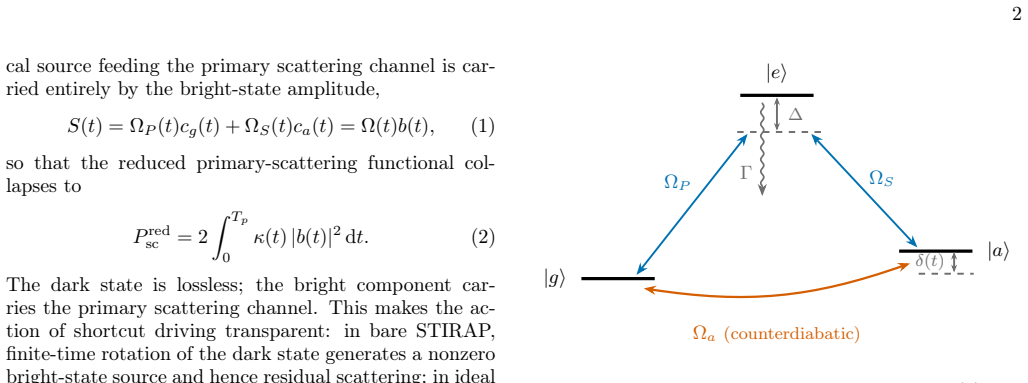
Spontaneous Raman scattering limits shortcut-assisted atom optics, but its microscopic origin is obscured once the lossy excited state is adiabatically eliminated. We organize the problem around a single quantity: in the instantaneous dark-bright basis the lower-manifold optical source is carried entirely by the bright-state amplitude, $S=\Omega b$, so that primary spontaneous scattering reduces to the compact functional. This recovers the known dissipative-STIRAP loss in transparent form and makes the action of a shortcut explicit: ideal counterdiabatic STIRSAP cancels the bright-state \emph{source}, not the optical decay coefficient. We show this cancellation is exact in the full three-level model at the counterdiabatic point, for arbitrary one-photon detuning, Rabi frequency, and pulse duration. The residual source splits into orthogonal quadratures -- shortcut mismatch (real) and two-photon Doppler detuning (imaginary) -- which invites a velocity-selective protocol that nulls the Doppler quadrature for a chosen momentum class with a second, phase-shifted lower-state field. Our central result is that this source nulling is never superior to simply chirping the two-photon detuning: the two coincide only when the selected class $\delta_c$ is small compared with the bright-state gap, and the nulling degrades and then fails as $\delta_c\to|\mu|$ -- precisely the regime of launched or warm clouds and high-order large-momentum-transfer (LMT) optics that motivates velocity selection. The controlling quantity is the magnitude of the residual Hamiltonian perturbation a scheme leaves behind, not the residual source it cancels. As a complement to existing multi-pulse decay budgets, we cast a single-pulse mode-error budget for LMT interferometry entirely in terms of the bright-state source, and delineate when shortcut-assisted Raman control reduces the total scattering cost.
We present a systematic study of the diagonal Born-Oppenheimer correction (DBOC) for atoms and molecules embedded in optical cavities and interacting with a quantized electromagnetic field. By explicitly evaluating the nuclear kinetic energy operator, we analyze cavity-induced modifications of DBOC within a quantum electrodynamics configuration-interaction (QED-CI) framework built on quantum electrodynamics Hartree-Fock (QED-HF) and strong-coupling quantum electrodynamics Hartree-Fock (SC-QED-HF) reference states. The analysis covers a diverse set of atomic and molecular systems, including He, H-, Be, H2, LiH, HF, ammonia (NH3), and formaldehyde (CH2O). We show that the presence of the cavity leads to shifts in molecular dissociation energies on the order of a few inverse centimeters. For several atomic systems, the inclusion of the DBOC yields a pronounced effect, with the correction magnitude reaching the experimental resolution. These findings reveal finite nuclear mass effects as an essential component of nuclear dynamics in cavity QED and suggest their relevance for precision analysis in strongly coupled light-matter systems.
Energies of H, He-like ($Z=2-18$) ions, Li, and Be are investigated under a spherically symmetric Gaussian potential through a density functional formalism. The radial Kohn-Sham equation has been solved by invoking a work function-based exchange potential. The effect of electron correlation is analyzed by incorporating two functionals: a local parameterized Wigner functional and a non-linear gradient- and Laplacian-dependent Lee-Yang-Parr (LYP) functional. The generalized pseudospectral method is employed to provide accurate numerical eigenfunctions and eigenvalues. This allows nonuniform, optimal spatial discretization fulfilling the Dirichlet boundary conditions. This work demonstrates a possible manipulation of energy by controlling dot parameters. Apart from ground states, exploratory results are also reported for low-lying excited state $1s2s$ ($^{1,3}S$) of He atom. Companion calculations are also performed for various information-theoretic measures, such as Shannon entropy in position ($S_{r}$), momentum ($S_{p}$) spaces, and Fisher information in position space ($I_{r}$). The behavior of correlation functionals in presence of Gaussian potential is examined critically. We find that energy increases, $S_{r}$ exhibits minima, while $S_{p}$, $I_{r}$ attain maxima for a decrease in the width of potential, whereas an increase in potential depth further amplifies these effects across all properties. The Fisher-Shannon plane reveals a progressive localization as well as the compression of electronic density, and thereby indicates a weakening of relative electron-correlation effects. In the Collin's conjecture, it gives rise to a non-linear loop-like feature. Much of the results are presented here for the first time.
We report on the realization of a quantum-degenerate Bose-Bose mixture of 162Dy and 164Dy. Owing to the near-identical mass and polarizability of the two isotopes, the mixture thermalizes efficiently, with evaporation trajectories closely following those of the single-isotope case. Using a broad interspecies Feshbach resonance, we explore a miscible-immiscible transition between the two Bose-Einstein condensates. The tunability of the interspecies interaction, combined with the large magnetic dipole moment of Dy, makes this platform well suited for exploring dipolar effects in ultracold mixtures, including multi-component supersolidity.
Vortex electrons, characterized by a helical phase front, offer unique advantages for probing material structures. Such electrons can be generated via tunneling ionization in strong laser fields. In this paper, we investigate the rescattering dynamics of vortex photoelectrons by the parent ion. Specifically, we introduce vortex photoelectron holography, extending conventional strong-field photoelectron holography (SFPH) from plane-wave to vortex rescattering. By solving the time-dependent Schr\"{o}dinger equation, we extract the vortex scattering phase from the SFPH fringes, showing excellent agreement with scattering calculations. Thus, our work provides direct access to the vortex scattering phase, paving the way for applying SFPH to structurally sensitive imaging with phase-engineered photoelectrons.
Advances in optical clocks motivate a redefinition of the second, requiring rigorous evaluations of systematic uncertainties and robust consistency among the clocks. Here, we report the full evaluation of the systematic frequency shifts of an $^{27}\mathrm{Al}^+$ single-ion clock, and the measurement of its absolute frequency and frequency ratio with a $^{87}$Sr optical lattice clock at PTB. The evaluated total systematic fractional frequency uncertainty is $1.6\times10^{-18}$, mainly limited by the accuracy of the relevant atomic coefficients and by background gas collisions. The absolute frequency of the clock has been measured to be $\nu_{\mathrm{Al}^+}=1 121 015 393 207 859.19(24)\,$Hz, obtained by comparison with two primary caesium fountain clocks at PTB. The frequency ratio between the Al and Sr optical clocks has been determined to be $\nu_{\mathrm{Al}^+}/\nu_{^{87}\mathrm{Sr}}=2.611 701 431 781 462 668(36)$, limited by the accuracy of the Sr clock. This ratio differs by $8.6\sigma$ and $1.2\sigma$ from the 2021 and 2025 frequency ratio published by the BACON collaboration, respectively. These results represent an important contribution toward a future redefinition of the second using optical clocks, and underscore the importance of independent measurements of clock-candidate frequency ratios across different institutions.
Conveyor-belt magneto-optical traps (CB-MOTs) use blue-detuned polarization-gradient forces to provide simultaneous cooling, confinement, and loading on type-II molecular transitions. Recent experiments with \baf{138} showed that this mechanism can directly load a slowed molecular beam with an efficiency exceeding that of a conventional red-detuned MOT. Here we use established optical-Bloch-equation force calculations and classical trajectory propagation to ask whether this direct-loading strategy should extend beyond the specific molecule used in the first demonstration. For \baf{138}, the calculation reproduces the experimentally observed trend that the CB-MOT capture velocity increases with laser intensity. We then apply the same framework to two closely related but experimentally distinct cases: \baf{137}, whose dense hyperfine structure complicates a conventional dual-frequency MOT, and \bah{138}, whose narrower linewidth and longer wavelength reduce the available radiative force. In both cases, the CB-MOT retains a broad region of nonzero capture velocity. These results identify the molecular conditions under which direct CB-MOT loading should remain effective and show that the dipole-force-dominated conveyor-belt mechanism provides a practical loading route for heavy laser-coolable molecules whose MOT performance is otherwise limited by photon recoil, scattering rate, or hyperfine complexity.
We investigate the intensity stability of the superradiant laser. Our study focuses on the architecture where a continuous beam of atoms in an electronically excited state crosses the mode of a high-finesse Fabry-Perot cavity, which has been proposed as a new architecture of an active optical clock. We show that such superradiant laser can become unstable and develop chaotic behavior. We derive an analytical criterion for this instability and find that it may only occur when the lifetime of photons in the cavity is significantly shorter than the lifetime of atoms. This criterion allows for refining the necessary parameters to run a superradiant laser as a frequency reference in the optical domain. In particular, we point-out the consequences of the instability on intensity fluctuations and laser linewidth. On the other hand, we also point out that the superradiant laser, when in the unstable regime, can become an interesting playground for studying chaos. At the mean-field level, there is a direct mapping to the B\'enard instability associated with fluid turbulence; however quantum fluctuations associated with photon out-coupling and atom re-filling substantially modify the expected behaviors. Finally, we point-out the existence of a regular self-pulsing regime at large atom numbers.
Resonant photoionization in the intense high-frequency regime can exhibit extremely asymmetric Autler-Townes doublets whose origin remains debated. It has been attributed either to interference between perturbative ionization pathways or to a non-perturbative dressing of the continuum. Here we show that these interpretations arise from a common effective Hamiltonian framework, in which dressed-state stabilization is governed by the coherent interplay of resonant and nonresonant pathways. We demonstrate that further simplification, using the strong-field approximation, obscures this mechanism. In contrast, our time-dependent essential-state model, where electrons are rigorously coupled to the continuum, achieves excellent agreement with ab initio simulations of the time-dependent Schr\"odinger equation for helium.
We propose and characterize a protocol for rapid near-ground state cooling of the center-of-mass (c.m.) mode of a large trapped ion crystal. When the initial mean thermal occupation of the mode $\bar{n}_i$ is small compared to the number of ions $N$, a red sideband drive implements a beam-splitter type SWAP operation between the mode and the collective spin of the $N$ ions, with the latter effectively serving as a quantum harmonic oscillator. Subsequently, a reset of the spins removes the entropy, leading to near-ground state cooling of the c.m. mode. We term this protocol as quantum beam-splitter cooling (QBSC). We analyze the impact of several practical imperfections on the final temperature achievable under QBSC, including finite ion number, off-resonant carrier and blue-sideband contributions, and the impact of the sideband drives arising from spectator modes. In addition, we outline practical strategies to eliminate the carrier drive. Furthermore, we show that measuring the population statistics of the ions at the end of the SWAP operation can enable near-optimal quantum beam-splitter thermometry (QBST), with the classical Fisher information approaching the quantum Fisher information of a thermal state. We discuss the connection of QBSC with continuous sideband cooling and compare QBST with a recently proposed rapid adiabatic passage-based thermometry scheme. Our work constitutes an example of harnessing many-body effects to open new routes to laser cooling and thermometry in large trapped ion crystals.
We investigate the role of the electronic structure of the projectile in ionization and subsequent fragmentation of CO$_2$ induced by multielectron capture in collisions at 0.31 a.u. impact velocity. Focusing on the $\text{CO}_2^{3+} \rightarrow \text{O}^+:\text{C}^+:\text{O}^+$ break-up channel as a representative channel, we report kinetic energy release distributions (KERDs) for collisions with equi-velocity N$^{q+}$ and O$^{q+}$ projectiles. We consider two complementary categories of measurements. In the first category, in which different projectiles of the same charge are considered, we find that KERDs obtained with N$^{q+}$ and O$^{q+}$ impact ($q=4,6$) are broadly similar, but they differ significantly from the earlier reported KERD with Ar$^{q+}$ impact. In the second category, pronounced differences are observed between the KERDs obtained with isoelectronic N$^{q+}$ and O$^{(q+1)+}$ ($q=3,5,7$) projectiles. These results provide direct evidence that projectile electronic structure plays a critical role in multielectron capture collisions.
The phonon laser realized in a trapped ion, i.e., a self-sustained mechanical oscillator, has demonstrated the unique characteristics in practically detecting externally applied electric signals without the prerequisite of sideband cooling. Entering the quantum regime via sideband cooling is expected to further improve its sensing performance. Here we report the first experimental realization of a quantum-regime single-ion phonon laser ($\bar{n}<10$) using a trapped $^{40}\mathrm{Ca}^+$ ion and demonstrate electrometry based on its phase-space symmetry-breaking response to weak resonant electric fields. By tuning the phonon-laser parameters, we reveal that the sensing performance is fundamentally governed by the finite-time relaxation dynamics of the underlying open quantum system. We find that a slow Liouvillian relaxation, correlated with the finite experimental interaction window, effectively enhances the dynamic susceptibility while maintaining the structural robustness of the limit cycle. This regime, when applied to the detection of electric fields, produces a shot-noise-limited peak sensitivity of $14.15 \pm 0.77~\mu\mathrm{V/m}/\sqrt{\mathrm{Hz}}$ and a minimum detectable field variation of $\delta E_{\mathrm{min}} \approx 1.83~\mu\mathrm{V/m}$. Our results establish quantum phonon lasers as a practical platform for advanced sensing and highlight the central role of Liouvillian dynamics in non-equilibrium electrometry.
The Bose polaron problem of an impurity immersed in a Bose-Einstein condensate (BEC) has been predicted to feature strong correlations arising from bound states of multiple bosons with the impurity. While direct experimental evidence has so far remained elusive, here we observe clear signatures of three-body correlations in Bose polarons. We perform radiofrequency spectroscopy on $^{40}$K impurities in a BEC of $^{23}$Na and identify polaronic hybrid states that can be understood as superpositions of the bare atom, a NaK dimer and a Na$_2$K trimer, coupled through coherent particle exchange with the condensate. We show that the main spectroscopic features are captured by a simple three-level model without free parameters. Our work shows how a condensate environment can coherently hybridize bound states of different composition and mass, reminiscent of quark-flavor mixing described by the Cabibbo-Kobayashi-Maskawa (CKM) matrix in particle physics.
Highly polarized 3He ensembles prepared by metastability-exchange optical pumping (MEOP) have been widely used in precision measurements and fundamental physics. Metastability-exchange (ME) collisions, serving as the basis of MEOP, are traditionally described in terms of atomic orientation, while the significant contributions of metastable alignment tensor at high polarization remain unexplored. In this work, we develop a linearized model under mean-field approximation to investigate alignment tensor effects in highly polarized 3He , which originate from the metastable F = 3/2 manifold and are revealed through ME-induced relaxation and frequency shift. By means of free-induction-decay (FID) measurements, a pronounced dependence on nuclear polarization is experimentally observed in the response of the ground-state-metastable hybrid 3He ensembles to the external magnetic field. Furthermore, after obtaining the characteristics of tensor-induced phenomena, we demonstrate good agreement between the experiment and the theory. This work advances the understanding of nuclear spin dynamics in highly polarized 3He using MEOP. It further provides applications in systematic error correction of high-accuracy magnetometry, as well as in optimal protocol for the generation of nuclear spin-squeezed states.
Helium-3 nuclear spins form an exceptionally stable quantum system with extremely long coherence time, offering exciting opportunities for quantum technologies. In particular, nuclear spin-squeezed states promise enhanced precision for sensing tasks and tests of new physics. A central challenge for all these applications is the realization of a controllable light-nuclear spin interface. Here we experimentally demonstrate such an interface by exploiting metastability-exchange collisions in a low-pressure helium-3 gas cell at room temperature. A radio-frequency discharge produces a small population of metastable atoms that both enables efficient optical pumping and mediates an effective Faraday interaction between the collective nuclear spin and an optical probe. We quantitatively characterize the strength of this interaction as a function of the nuclear polarization, applied magnetic field, and probe-beam parameters. Moreover, we show that using a multi-pass cell enhances this interaction by effectively increasing the optical depth. Extrapolating to a tenfold increase of the probe power used in the present experiment, we project a measurement-induced squeezing rate of 0.52 s$^{-1}$. Our results provide a practical pathway for optical access to helium-3 nuclear spins and open prospects for generating long-lived, macroscopic nuclear spin-squeezed states for quantum metrology.
We report the first results of the magnetic dipole hyperfine structure (HFS) constants of neutral $\mathrm{Li}$, Li-like $\mathrm{Be}$, neutral $\mathrm{Na}$, and Na-like $\mathrm{Mg}$ using a modified version of the Quantum Annealer Eigensolver (QAE) algorithm on D-Wave's quantum hardware. The results are benchmarked against relativistic configuration interaction with multiconfiguration Dirac Hartree-Fock (MCDHF) calculations using the General-purpose Relativistic Atomic Structure Package (GRASP), and simulated annealing. In our modified QAE, a zooming-and-sigma-annealing approach with a floating-point encoding scheme is adopted to estimate the ground-state eigenvalue and eigenvector of the relativistic Dirac-Coulomb Hamiltonian matrices ($H_{\mathrm{DC}}$) constructed from 11 or fewer configuration state functions (CSFs). For calculations with extended correlation orbital sets, we applied a CSF truncation scheme, retaining only CSFs (up to 12) that make significant contributions to the ground-state wavefunction. Our modified QAE precision is kept limited to three decimal places (up to 10 qubits). Hardware demonstrations on the D-Wave quantum processing unit (QPU) yielded results that were completely consistent with GRASP (at the chosen precision) in determining the magnetic dipole HFS constants, with accuracy varying across systems and $H_{\mathrm{DC}}$ matrix dimensions.
Electric field noise produced by the surface of ion trap electrodes reduces the fidelity of quantum computing operations. Despite decades of investigation its microscopic origins remain unclear. Here, we measure electric field noise at trapping locations along the symmetry axis of a linear surface Paul trap. We find that noise levels vary by three orders-of-magnitude in one 600$\,\mu$m section of the trap. Optical and scanning electron microscope images show micron-sized particles close to the trapping locations with the highest noise levels. We find that modeling the particles as a lossy dielectric with a effective loss tangent $\tan\theta=0.33(0.06)$ describes the magnitude of the noise, as well as its spatial and frequency dependence. Our observations may explain the large variation of reported noise levels in literature.
Ionization stabilization is a well-known phenomenon in strongly driven Soft-Coulomb atomic models, where the ionization probability decrease as the field amplitude increases. In this work, we investigate how this mechanism is affected by introducing a repulsive Morse barrier into the binding potential, leading to a Morse-Soft-Coulomb (MsC) model. A systematic comparison between the Soft-Coulomb and Morse-Soft-Coulomb systems is performed for different values of the softening parameter. Ionization probabilities, escape-time maps computed on the field-free energy shell and representative trajectories reveal that the stabilization window observed in the Soft-Coulomb model is strongly suppressed in the Morse-Soft-Coulomb system. To elucidate the origin of this behavior, we analyze the corresponding Kramers-Henneberger effective potentials. While the Soft-Coulomb model develops a symmetric double-well structure supporting two equivalent trapping regions, the Morse-Soft-Coulomb potential exhibits a single effective minimum as a consequence of the broken left-right symmetry introduced by the Morse branch. The combined analysis of ionization probabilities, escape dynamics, representative trajectories, and Kramers-Henneberger potentials indicates that the suppression of stabilization is closely associated with the modification of the phase-space transport structures and the reduction of the effective trapping region induced by the Morse
Atom interferometers are among the most sensitive instruments for precision measurements and tests of fundamental physics. Their performance, however, is ultimately limited by quantum projection noise when uncorrelated atomic ensembles are employed. Cavity-assisted generation of entangled states has proven to be a promising route toward quantum-enhanced interferometry beyond the standard quantum limit. In this work, we present the realization and characterization of a monolithic bow-tie cavity developed to achieve a strong collective atom-light coupling with strontium atoms. Unlike conventional standing-wave Fabry-P\'erot resonators, the traveling-wave geometry of the bow-tie cavity provides homogeneous atom-light coupling over the entire atomic ensemble, making it particularly suitable for entanglement-enhanced atom interferometry with freely falling atoms. The monolithic cavity architecture presents several scientifically relevant features such as high mechanical stability, high finesse, robustness against mirror misalignment, optical and atomic access and the option of generating squeezed states through different strategies. The cavity was realized for operation on the strontium $(5s^2) ^1S_0-(5s5p) ^3P_1$ transition at 689 nm and achieves a finesse of $\mathcal{F}=5.7\times 10^4$ while keeping the transmission of a single mirror sufficiently large to allow for efficient atomic information extraction. In this geometry, the cavity supports two foci with waists of 164 $\mu$m and 31 $\mu$m which gives access to different regimes of atom-cavity coupling. For ensembles containing up to $10^5$ atoms, the cavity is expected to enable metrological gains approaching 24 dB of spin squeezing through cavity-feedback squeezing, and 28 dB through quantum non-demolition measurements, demonstrating its potential as a platform for next-generation quantum-enhanced atom interferometers.
In a standard two-level Ramsey interferometer, the measured phase accumulates linearly during the interrogation time. Here, we introduce three-level Ramsey interferometry that employs a noncyclic geometric phase response to enhance phase sensing, with projected internal-path interference reshaping the mapping from accumulated signal phase to readout phase. Near a geodesic-closure transition, a small accumulated signal phase produces a sharply amplified readout-phase shift. We quantify the accompanying gain--visibility tradeoff and identify a finite operating window in which the amplified response yields a net signal-to-noise-ratio gain under technical-noise-limited conditions. By tuning an initial Ramsey phase offset, this high-slope window can be positioned at a desired operating point and sampled repeatedly with shorter cycles, providing a geometric shortcut to improved projected stability. More broadly, these results establish a multilevel Ramsey route to enhanced phase sensitivity in quantum platforms, where two signal-collecting internal paths interfere to produce a noncyclic geometric response.
We realize an injector device that supplies warm gas directly into a cryogenic environment. This injector has several advantageous features, including robustness, rigidity, simple installation, and excellent thermal isolation between a hot ($\sim$300 K) copper fill line and a cold ($<$3 K) cryogenic buffer gas cell. Less than 200 mW heat load on the cell is observed in realistic conditions of a molecular precision measurement experiment. A polyamide-imide (PAI) tube is the essential design feature. The fill line is epoxied to one end of the tube while the other end of the tube is connected to the cell via a slip-fit onto a brass nipple, realizing a complete vacuum-tight seal. PAI contracts on the brass nipple when cooled, forming a cryogenic leak-tight seal. The injector is easily (de-)mountable and rigid, with no significant displacement of the fill line relative to the cell observed during cooldown to 4 K. We characterize injector performance by flowing into the cell $\text{SF}_6$ through the hot fill line and cold $\text{He}$ buffer gas through a separate cryogenic fill line while laser ablating a barium-containing target. This produces cold BaF free radicals, detected using absorption spectroscopy. This injector design will be employed to laser cool radium-containing molecules, such as $\text{RaF}$ and $\text{RaOH}$, where leak-tight delivery of $\text{SF}_6$ and $\text{H}_2\text{O}$ reagents into a cryogenic buffer gas cell is required for scientific and safety reasons. These molecules are of particular interest for the study of symmetry-violating nuclear properties and searches for physics beyond the Standard Model.
H13@(BN)12 stays magnetic at ambient pressure via localized s-electron moment and multicenter bonds, then turns metallic above 16 GPa.
abstractclick to expand
Magnetism has long been attributed to localized d, f, and even p electrons with strong correlations, whereas s electrons exemplified by hydrogen are reactive and tend to have their spins quenched, making s-electron-derived magnetism and long-range ordered magnetic crystals seem unattainable. Here we report a low-Z ferromagnetic crystal H13@(BN)12 using first-principles calculations, where thirteen hydrogen atoms are encapsulated within a (BN)12 cage and magnetism originates from the 1s electron of the central hydrogen atom. The crystal remains stable under ambient pressure owing to chemical precompression. Notably, the central hydrogen atom retains a magnetic moment of 1 {\mu}B, with long-range magnetic order established through multicenter bonding within the H13 aggregate and the intercell B-B network, while the zero orbital angular momentum of s electrons renders spin-orbit coupling (SOC) negligible as expected. Electronic structure analyses reveal that the large cavity and central negative electrostatic potential of the (BN)12 cage localize the hydrogen 1s electron, preventing spin quenching. Interestingly, under 16 GPa compression, the system transforms into a nonmagnetic metallic state driven by delocalized electrons of the central hydrogen atom. This study opens a pathway for constructing s-electron-driven magnetic materials and lays the foundation for developing low-energy consumption magnetic devices without SOC.
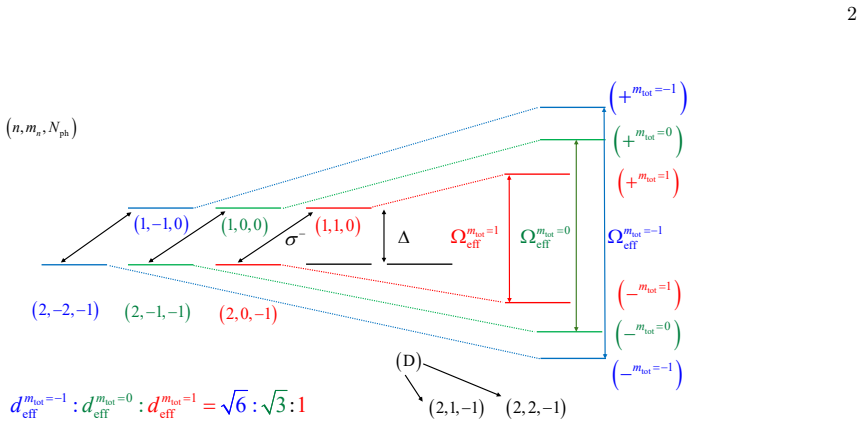 full image