Quantum purity amplification (QPA) is the task of coherently transforming $n$ copies of a mixed state into high-fidelity copies of a chosen eigenstate. We solve QPA in the general setting of $n$ input copies, $m$ output copies, arbitrary target eigenstates, arbitrary local dimension $d$, and generic input spectra. We characterize the optimal channel and derive its all-site and one-site performance laws across output regimes. For the asymptotic analysis, we use a path-graph parametrization to show that, when the target eigenvalue has a constant spectral gap $D_{k,\mathrm{min}}$, achieving all-site error $\varepsilon$ requires a number of input copies independent of $d$ and scaling as $O(m/(\varepsilon D_{k,\mathrm{min}}^2))$. When $m/n$ approaches a constant, the performance exhibits phase-like regimes, which we characterize explicitly. For the nonasymptotic analysis, we develop a theory of generalized Young diagrams that yields tight sample complexity bounds and provides the first dimension-uniform guarantee for optimal QPA. We also provide asymptotically efficient implementations of the optimal protocol. Together, these results establish QPA as a rigorous example of coherent quantum information processing with dimension-uniform sample complexity, supplying the technical foundation for the coherent-incoherent separation developed in the companion work.
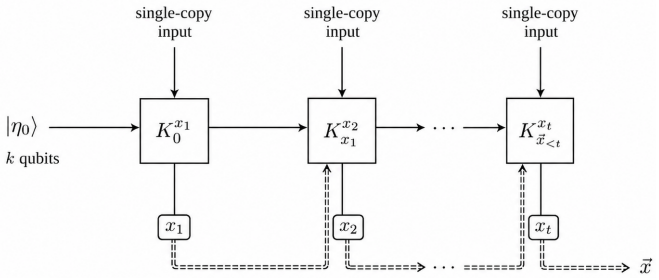
Standard quantum inference converts quantum data into classical outputs. We study an alternative inference setting in which the desired output is quantum, preserving coherence. Such settings include quantum purity amplification (QPA), mixed-state approximate purification or cloning, and density matrix exponentiation. We show that such protocols can achieve exponentially lower sample complexity than incoherent, measurement-mediated protocols. For QPA with principal eigenstate targets and $d$-dimensional inputs, coherent processing achieves error $\varepsilon$ using $O(1/\varepsilon)$ copies, versus the $\Omega(d/\varepsilon)$ copies required by any incoherent protocol. Together, these sharp coherent-incoherent separations seed a theory of coherent quantum inference, with an entanglement-breaking limit identifying the optimal incoherent counterpart of each coherent protocol.
Computes a solution entry in ~O(ν L t / ε) time for unitary and dissipative cases, avoiding exponential costs from small amplitudes.
abstractclick to expand
We present an efficient, nearly optimal quantum algorithm for solving linear matrix differential equations, with applications to the simulation of open quantum systems and beyond. For unitary or dissipative dynamics, the algorithm computes an entry of the solution matrix with query complexity $\widetilde{\mathcal{O}}(\nu \mathcal{L} t/\epsilon)$, where the constant $\nu$ depends on the problem parameters, $\mathcal{L}$ involves a time integral of upper bounds on the norms of evolution operators, and $\epsilon$ is the error. In particular, $\nu \mathcal{L}$ is linear in $t$ for unitary dynamics and can be a constant for dissipative dynamics. Our result contrasts prior quantum approaches for differential equations that typically require exponential time for this problem due to the encoding in a quantum state, which can lead to exponentially small amplitudes. We demonstrate the utility of the algorithm through an end-to-end application, namely the simulation of dissipative dynamics for non-interacting fermions, which can be extended to other quantum and classical systems. We compare with classical algorithms and give evidence of polynomial quantum speedups for systems in a lattice, which become more pronounced for systems with long-range interactions and can be shown to be exponential in general. We also provide a lower bound of $\Omega(\nu \mathcal{L} t/\epsilon)$ for unitary or dissipative dynamics that proves our algorithm is optimal up to logarithmic factors.
We develop a quantitative theory for the emergence of quantum many-body chaos as integrability is broken via a tunable parameter. In a circuit model of free fermions, 'doped' with a tunable density of integrability-breaking gates, we uncover the microscopic mechanisms underpinning the crossover from early-time integrable behaviour to late-time chaos through the lens of the out-of-time-ordered correlators (OTOCs). The integrability-breaking gates act as local, in spacetime, hotspots which locally amplify the OTOCs such that an accumulation of them eventually leads to fully-developed chaos. We identify the explicit characteristic time and length scales governing this crossover, as well as the dependence of the chaotic OTOC characteristics -- such as the butterfly velocity and front broadening -- on the integrability-breaking parameter.
Transversal CNOTs are ubiquitous for entangling logical qubits of identical CSS codes pairwise. For distinct codes, the options are much more limited, and are typically known only for structurally related code families. We introduce an automated framework for synthesising inter-code logical CNOT circuits between arbitrary CSS codes using chain maps. Given a prescribed bipartite logical CNOT network between these codes, our method constructs the affine space of chain maps realising the desired logical action, and then searches this space for shallow and sparse physical circuit candidates. We benchmark this method on a range of heterogeneous CSS code pairs, recovering known transversal constructions, and finding new low-depth solutions, including distance-preserving and partially distance-preserving examples, which we demonstrate can be promoted to the full code distance using additional flag measurements. We discuss applications to code switching, magic-state injection, Pauli product measurements, and operations on concatenated codes, where bespoke chain maps offer favourable spacetime tradeoffs for logical interfaces tailored to heterogeneous architectures. Finally, we show how our framework straightforwardly extends to targeted logical CZ gates.
Characterizing noise in quantum circuits is fundamentally limited by gauge degrees of freedom; certain parameters, such as the individual contributions of state preparation and measurement (SPAM) errors, are in principle unlearnable from any experiment within the gate set. Here, we show that the physical structure of realistic noise processes imposes approximate symmetry constraints on the Pauli fidelities of gate noise channels. These symmetries relate the fidelity of a Pauli $P$ and its gate-conjugate $U_g P U_g ^{\dagger}$, and can be used to fix the gauge using only knowledge of the error type and not its magnitude. Using Lindbladian perturbation theory, we analyze a broad class of Clifford gates, including $ZZ_{\pi/2}$, CZ, CNOT, iSWAP, and SWAP, and demonstrate that coherent errors do not induce first-order asymmetry, while only a restricted set of predominantly off-diagonal dissipative errors can break the symmetry at first order, for which we derive simple selection rules. Notably, common single-qubit noise sources such as $T_1$-relaxation and $T_{2\phi}$-pure-dephasing can only cause asymmetry at second order. Leveraging these symmetries to fix the gauge enables systematic identification of SPAM errors, simplifying error characterization and mitigation. We validate our results numerically and experimentally on IBM Kingston.
Long-range links on random graphs shorten Thouless time and drive exponential operator growth compared with regular paths.
abstractclick to expand
We investigate the integrability-to-chaos transition and information scrambling in Ising spin networks via a graph-theoretic formulation. Modeling spins as vertices and interactions via adjacency matrices across path, Erd\H{o}s--R\'{e}nyi, and Watts--Strogatz topologies, we demonstrate that long-range couplings and heterogeneous degree distributions drastically accelerate quantum information propagation. The Hamiltonian comprises local and normalized non-local interactions; tuning the non-local coupling and field heterogeneity drives integrability breaking. To quantify scrambling, we employ bipartite mutual and tripartite information. Increasing non-local interactions drives tripartite information to large negative values, signaling deep information scrambling. Out-of-time-order correlators (OTOCs) exhibit exponential early-time growth, yielding quantum Lyapunov exponents that scale systematically with parameters governing the chaotic regime. Complementing this, Krylov complexity reveals rapid operator growth in the chaotic phase, synchronizing with OTOC and mutual information dynamics. Spectrally, the transition manifests as a shift from Poissonian to Wigner--Dyson level spacing statistics. The spectral form factor (SFF) exhibits the characteristic slope-dip-ramp-plateau structure, enabling the extraction of Thouless and Heisenberg times. Crucially, a reduced Thouless time strongly correlates with accelerated informational and operator scrambling. Ultimately, this work establishes a unified framework bridging network topology with information-theoretic, operator, and spectral diagnostics, offering profound insights into thermalization and non-equilibrium dynamics in quantum many-body systems.
The dynamics of a quantum system encode signatures of whether the underlying Hamiltonian is integrable or chaotic, giving rise to the concept of quantum information scrambling through the properties of the resulting dynamical states or operators. We introduce an information-theoretic framework based on the Haar-averaged sum of total correlations (aSTC), together with average genuine multipartite entanglement generated dynamically from initially fully separable states, as robust probes of quantum information scrambling. Using the long-range quantum XYZ spin model in transverse and longitudinal magnetic fields, whose integrable limit is the nearest-neighbor transverse XY model, we demonstrate that the long-time average and, more importantly, the temporal fluctuations of the aSTC provide a faithful and system-size-independent signature of integrable and chaotic dynamics, similar to the conventional measure of scrambling, out-of-time-ordered correlator (OTOC). When the system is in contact with the thermal reservoir and system-bath coupling follows Markovianity, we find that the fluctuations of the aSTC and OTOC continue to distinguish integrable and chaotic dynamics only at intermediate times. However, we observe that in the non-Markovian domain, information backflow restores the scrambling dynamics, enabling the aSTC to retain its distinguishing power even at long times. Interestingly, we exhibit that, under Markovian amplitude damping and non-Markovian dephasing noise, the temporal fluctuations of the aSTC can discriminate between integrability and non-integrability in the weak Markovian regime, even when OTOC fails to do so.
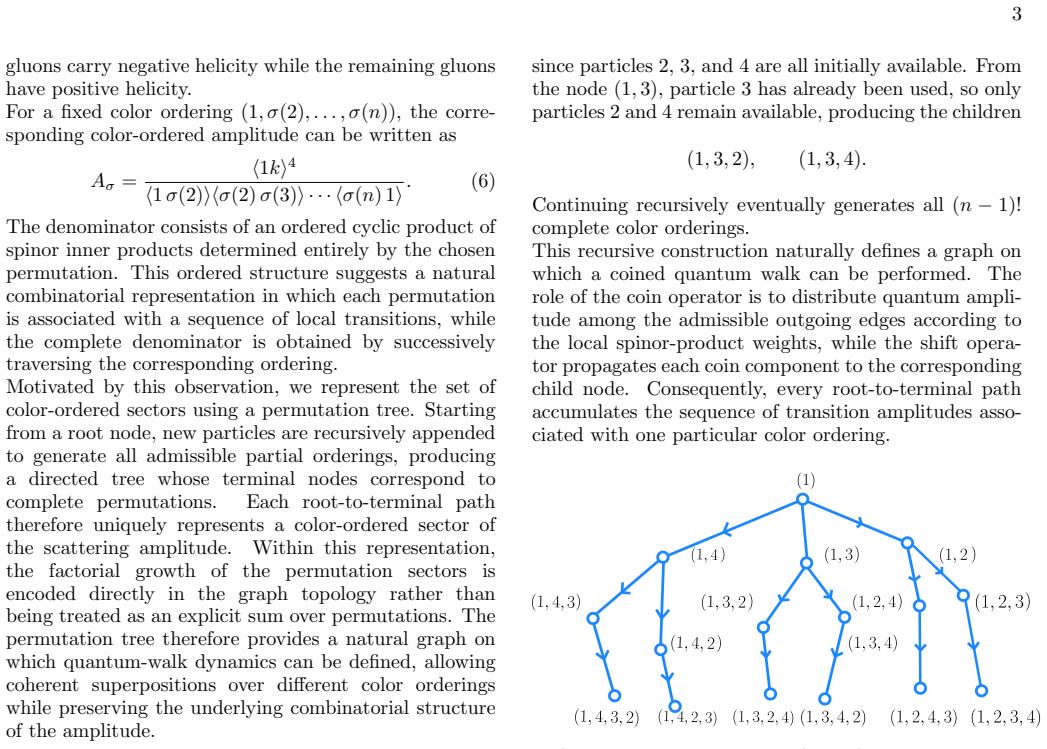
We introduce a graph-theoretic framework for representing color-ordered maximally helicity violating (MHV) scattering amplitudes in quantum chromodynamics using coined quantum walks on permutation trees. Each root-to-terminal path corresponds to a distinct color ordering of the external gluons, while local transition amplitudes are assigned according to the spinor-product structure of the Parke--Taylor amplitudes. The walk evolves in coherent superpositions over permutation sectors, giving a dynamical picture of the underlying combinatorics. A quantum-channel formulation based on Kraus operators is also introduced to describe sector-resolved contributions, while a weighted collection operator coherently combines the terminal sectors at a common reference node. A quantum Fourier transform on the coin space is then employed to combine the encoded contributions into the corresponding color-decomposed amplitude. Together, these constructions establish a unified graph-based framework connecting permutation trees, quantum walks, and open quantum systems providing a framework for quantum algorithms to simulate scattering processes in quantum field theory. As an example, numerical results for low-point gluon amplitudes demonstrate that the proposed representation faithfully captures the characteristic Parke--Taylor structure and is consistent with analytical results.
We study stabilizer state testing and learning with limited coherent quantum memory. Here an algorithm sequentially receives copies of an unknown $n$-qubit state, but may keep only $k$ qubits of coherent quantum memory between measurements. With unrestricted memory, seminal work of Gross, Nezami and Walter showed how to test $n$-qubit stabilizer states using $6$ copies, which is dimension independent, unlike the learning complexity of $\Theta(n)$. We show that this testing-vs-learning separation is lost under memory constraints. More concretely we show that
(1) The sample complexity of testing stabilizer states in the $k$-qubit memory framework is $\Theta(n-k)$. Our upper bound goes via a novel connection to the hidden shift problem and the lower bound is proven using a novel approach to average case bounds on likelihood ratios via combinatorics of the stochastic orthogonal group.
(2) The sample complexity of learning stabilizer states with $k$ qubits of memory, in the non-adaptive framework, is $\Theta(n^2/k)$.
As a further application of our techniques, we prove an exponential lower bound for purity testing even when the memory may be left coherent throughout the protocol. Our main results identify coherent quantum memory as the resource enabling the usual separation between stabilizer testing and learning. In particular, even with $k=0.99n$ qubits of memory, there is no constant-copy stabilizer tester; furthermore for $k=cn$ qubits of memory (for $0< c < 1$), stabilizer testing is as hard as learning, with both requiring $\Theta(n)$ copies.
Non-Gaussian quantum states and operations constitute essential resources for achieving quantum computational advantage and enabling quantum error correction in bosonic platforms. However, their generation in optical settings remains a challenging experimental task, often relying on probabilistic heralded protocols. Here, we present an in-depth analysis of the suitability of photon catalysis between low number Fock states and squeezed states for the generation of squeezed coherent state superpositions. We employ the stellar rank formalism to characterize the non-Gaussian complexity of input resources (including both states and measurements) and the generated states. This enables a systematic comparison of the fidelity between the catalyzed output and the target states to the maximum fidelity achievable by any protocol with the same non-Gaussian input resources. In this sense, we identify instances where the catalysis protocols considered here are provably optimal. We identify parameter regimes in which high-fidelity approximations of the target states can be achieved with minimal resources. Furthermore, we benchmark the performance of photon catalysis against Gaussian boson sampling-inspired protocols in terms of success probability and state quality, highlighting the advantages of deterministic Fock state sources. We also investigate the generation of related non-Gaussian resources including squeezed Fock states relevant for quantum error correction. To account for experimental imperfections, we model losses across all optical modes using a Hilbert space truncation approach in the Fock basis and analyze the robustness of the generated states under realistic conditions. Our results quantify the trade-offs between non-Gaussian resource complexity, achievable fidelity, and losses in photon catalysis protocols, providing practical guidelines for near-term photonic implementations.
No-broadcasting theorem proves common copying requires commuting density matrices and recovers no-cloning as corollary.
abstractclick to expand
The no-broadcasting theorem in quantum information says that a set of states on a quantum system admits a common broadcasting (copying) operation if and only if their density matrices belong to a commuting family. We discuss and prove this theorem, as well as the closely related no-cloning theorem in the context of quantum probability theory, i.e. in the category of (finite dimensional) C-star-algebras with unital completely positive maps.
Quantum Fast-Weight Programmers (QFWPs) store temporal information in dynamically programmed variational-circuit parameters rather than in nonlinear recurrent hidden states, offering a practical route to quantum sequence modeling. Self-Modulating QFWP improves this framework by using input-dependent gates for both new fast-weight updates and the accumulated fast-weight state, but its unbounded old-state multiplier can diverge in long-sequence regimes. We propose a bounded old-state modulation rule that applies a sign-preserving tanh gate only to the recurrent memory branch while leaving the additive update and new-update modulation unchanged. We evaluate standard QFWP, full Self-Modulating QFWP, Only-New, and Only-Old variants on two CUDA-Q quantum-dynamics forecasting tasks and on Milan SMS telecommunication activity prediction. The quantum-dynamics results show that old-state modulation is the most consistent source of improvement over Standard QFWP, and that bounding the old-state gate removes long-sequence divergence while improving aggregate robustness. On Milan SMS forecasting, the original unbounded Self-Modulating QFWP converges across the tested grid and shows its clearest gains at longer input windows, with behavior close to the Only-Old ablation. These findings identify accumulated-memory modulation as the key mechanism of Self-Modulating QFWP and bounded old-state gating as a targeted stabilization strategy.
We study the nonequilibrium dynamics following a quantum quench in spin chains that can be solved via a mapping to free fermions in disguise. These models feature an exponential degeneracy of all energy eigenvalues, raising the question of the validity of the established framework describing the properties of integrable systems out of equilibrium. We present two main results. First, we develop an analytic method to compute the quasi-momentum distribution function characterizing the generalized Gibbs ensemble, and derive an analytic formula to compute the corresponding expectation values for special observables. Second, we conjecture a modification of the standard formula for the entanglement growth based on the quasi-particle picture, taking into account that each fermion in disguise carries an additional amount of entropy due to the exponential degeneracy of the energy eigenvalues. We test our theoretical predictions against numerical tensor-network computations for different initial states and Hamiltonian parameters. For the local observables, we find excellent agreement. For the entanglement dynamics, we find small deviations suggesting that our conjecture is only approximately correct. Our results represent a first step towards the extension of the established framework of integrable systems out of equilibrium to models hosting free fermions in disguise.
Quantum Error Recovery (QER) uses knowledge of the error channel acting on a quantum system to find optimal recovery maps. The scheme restores the uncorrupted state with a fidelity exceeding that achieved by noise parameter independent quantum error correction. We use a generic coherent QER map implemented with a quantum circuit acting on the system together with ancillary qubits to recover quantum information stored in permutation invariant (PI) codes. PI codes admit tunable parameters to suit the noise model and benefit from simple recovery operation circuits with reduced addressability requirements, unlike stabilizer codes. We showcase the method by modeling QER in PI codes after collective and local symmetric correlated amplitude-damping (AD) noise, a non-Pauli noise process for which stabilizer codes often require additional overhead. We also propose a new PI code family called CAD codes with explicit examples on 4 and 9 qubits for global symmetric AD errors. We show that CAD9 (supported on 9 qubits) code beats many existing codes by more than one order of magnitude. For the CAD4 code, which perfectly corrects 1 global symmetric AD error, the compiled recovery circuit consists of 10 system and system-ancilla gates which can be realized from linear geometric phase gates. Our work provides a direct path from optimized recovery maps to experimentally implementable, low-overhead protocols.
The universality of dynamical scaling laws constitutes a cornerstone in the theoretical understanding of quantum many-body systems, particularly in non-equilibrium settings. Recent advancements have proposed a phenomenological ansatz based on spontaneous symmetry breaking (SSB) to unify the description of charge transport in open quantum systems. However, it remains unclear under which conditions it fails to capture the emergent hydrodynamics and if it does break down, whether nontrivial dynamics emerge. In this work we show that Kardar-Parisi-Zhang (KPZ) dynamics in an open integrable model (the B3 model), rather than diffusion from SSB, emerges. We find that the B3 model is equivalent to two interacting asymmetric XXZ spin chains and the ansatz can only capture the influence of the inter-chain interactions. When the initial state is appropriate, the asymmetric XXZ structure dominates the dynamics, which gives KPZ scaling behavior even when the hopping rate becomes negative. Our work motivates theory of charge transport in open systems beyond the ansatz based on SSB.
Correlations between two moments in time can be too strong for any classical explanation -- and, remarkably, this can happen for a single quantum system measured twice, with no second particle involved. We show that when one qudit is sent through a noisy channel, the strength of this "nonlocality in time" -- the temporal nonlocality robustness $\mathrm{TNR}$ -- is carried entirely by the starting state: it vanishes precisely when the input is maximally mixed (completely random), $\mathrm{TNR}(\rho_A,\mathcal{E})=0\Leftrightarrow\rho_A=\mathbb{1}/d$, for the standard noise families. The resource is not any coherence in the channel but the back-action of the input's mixedness, and it survives even complete decoherence. This is at once a power and a trap. As a power, $\mathrm{TNR}$ device-independently lower-bounds the fidelity of temporal teleportation -- sending an unknown state forward in time -- reaching $7/9$ at $d=3$, without trusting the measuring devices. As a trap, because the certified quantity is decoupled from the channel's actual coherence transmission, it can certify more than the channel delivers: an injective (reversible) unitary attains the maximal temporal-Bell signal yet teleports below the classical baseline. We resolve this over-certification completely -- a universal cap $\mathrm{TNR}\le(d-1)/d$ with an exact channel-resolved value, honest certification for the depolarizing channel and for any sufficiently mixed probe, and a proof that no choice of probes makes it channel-universal. Underpinning the results is a unified semidefinite-programming hierarchy of the temporal entanglement, steering and nonlocality robustnesses ($\mathrm{TER}$, $\mathrm{TSR}$, $\mathrm{TNR}$), with a strict lower hierarchy and an upper one conditional on no-signaling in time ($\mathrm{NSIT}$). All structure is verified numerically for $d=2$ through $5$.
Reversible dynamics in cavity QED make extracting metrological gains as central as creating entanglement.
abstractclick to expand
Quantum-enhanced metrology relies on entanglement to achieve sensitivities beyond the standard quantum limit. While remarkable progress has been made in generating highly entangled many-body states, extracting their metrological advantage remains a central challenge because the encoded information is often inaccessible to realistic measurements. A key development of the past decade has been the realization that many-body interactions can play a dual role: they can be used not only to generate entanglement, but also to decode it. This idea underlies interaction-based readout and time-reversal protocols, in which controlled non-linear dynamics transform weakly encoded signals into experimentally accessible observables. Cavity quantum electrodynamics (QED) provides a particularly powerful setting for these approaches because it combines collective enhancement, tunable interactions, and controllable reversibility within a single platform. In this review, we discuss the emergence of time-reversal protocols in cavity QED, from their conceptual roots in Loschmidt echoes to modern implementations of signal amplification through a time-reversed interaction (SATIN), scrambling-enhanced metrology, and more general interaction-based readout schemes. We examine the physical mechanisms that enable reversible many-body dynamics, review key experimental demonstrations, and discuss future directions involving complex entangled states, nonlinear decoding, and emerging quantum platforms. Together, these developments suggest that the ability to decode quantum information may become as important as the ability to generate it, establishing reversible many-body dynamics as a central resource for quantum-enhanced sensing.
Neural quantum states (NQS) provide a flexible and scalable framework for approximating quantum many-body wavefunctions. Among NQS parameterizations, autoregressive models are especially attractive because they enable exact, independent sampling from the Born distribution, avoiding the autocorrelation and mixing issues of Markov chain methods. Yet their optimization remains comparatively underexplored: Adam is a scalable method but ignores function space geometry, while stochastic reconfiguration is principled but costly and numerically fragile in large models. To address this gap, we show that variational energy minimization can be viewed as an advantage policy-gradient problem over the Born distribution, motivating trust-region optimization for NQS training. We introduce Proximal Wavefunction Optimization (PWO), a principled trust-region algorithm that clips probability-ratio changes in the amplitude channel and phase increments in the phase channel. PWO avoids explicit matrix inversion, reuses samples across multiple updates, and combines the scalability of first-order optimization with theoretical guarantees. Across Ising and frustrated $J_1$-$J_2$ one- and two-dimensional spin systems, PWO improves stability and wall-clock convergence over Adam, minSR, and SPRING. Finally, we fine-tune a $1.5$B-parameter RWKV-7 model, demonstrating NQS optimization at a scale over three orders of magnitude beyond prior work.
Three-dimensional superconducting radio-frequency (SRF) cavities provide exceptionally long-lived electromagnetic modes and, when coupled to nonlinear elements such as transmon qubits, become promising architectures for bosonic quantum information processing. The inverse design of such systems, i.e., recovering device geometries that produce specified electromagnetic and coupling targets, is generally a one-to-many problem. The qubit-cavity coupling strength depends sensitively on both the transmon geometry and its position within the cavity's electromagnetic field. As these systems scale up and their design parameter spaces grow, the cost of conventional iterative simulation becomes prohibitive. We present two deep neural network (DNN) approaches that address this inverse-design problem at complementary levels of the design stack. The first proposes SRF cavity geometries that produce target cavity observables. The second proposes transmon qubit designs that produce target qubit-cavity parameters -- the coupling rate, qubit frequency, and anharmonicity $(g, \nu_q, \alpha)$. The recovered candidate designs match the targets to within $\sim$5\% (cavity) and $\sim$2\% (transmon), confirmed by end-to-end re-simulation. Both approaches map desired device behavior directly to candidate designs, a fast alternative to the iterative simulation studies usually required.
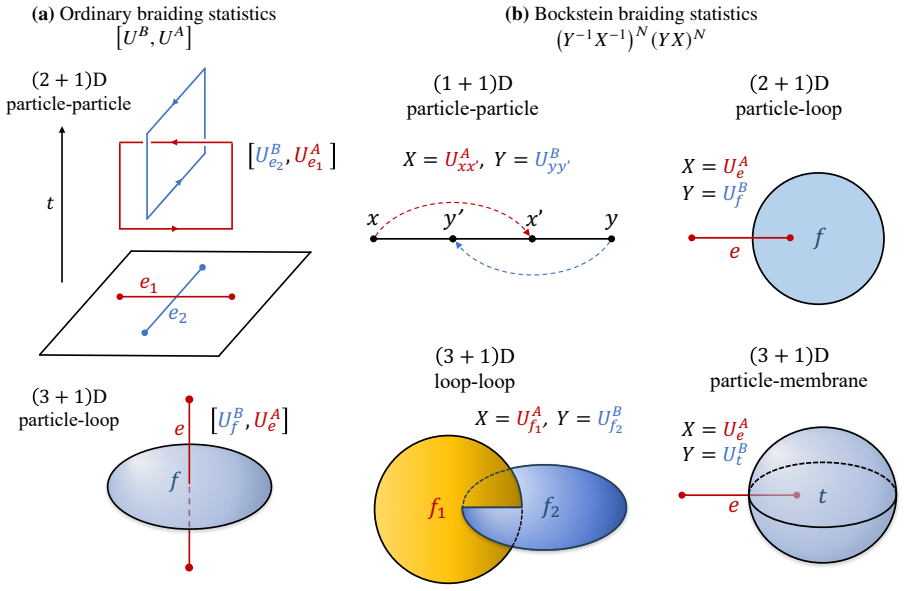
Braiding statistics, from the Aharonov-Bohm phase to anyons in fractional quantum Hall systems, play a central role in quantum physics. For $p$- and $q$-dimensional excitations in $d$ spatial dimensions, ordinary braiding requires $p+q=d-2$. In a field-theoretic description of $\mathbb Z_N$ excitations, ordinary braiding is described by the linking response $(2\pi i/N)\int A_{d-p}\cup B_{d-q}$, where $A_{d-p}$ and $B_{d-q}$ are background fields coupled to the two excitation types. In this work, we identify new mutual statistics in the adjacent case $p+q=d-1$. For two invertible excitations obeying $\mathbb Z_N$ fusion, one can choose local creation operators $X$ and $Y$ whose supports have a staggered one-dimensional overlap. The closed unitary process $W_N(X,Y)=(Y^{-1}X^{-1})^N(YX)^N$ measures the resulting mutual statistic. Its field-theory description is $(2\pi i/N)\int A_{d-p}\cup\beta_N B_{d-q}$, where $\beta_N$ is the Bockstein operation; we therefore call the invariant Bockstein braiding statistics. The construction yields particle-particle statistics in one dimension, particle-loop statistics in two dimensions, and loop-loop or particle-membrane statistics in three dimensions. Nontrivial Bockstein braiding statistics obstructs simultaneous condensation of the two $\mathbb Z_N$ excitations. It also rules out a fully symmetric gapped phase for systems with the corresponding mixed anomaly and implies symmetry fractionalization when one of the $\mathbb Z_N$ symmetries is broken.
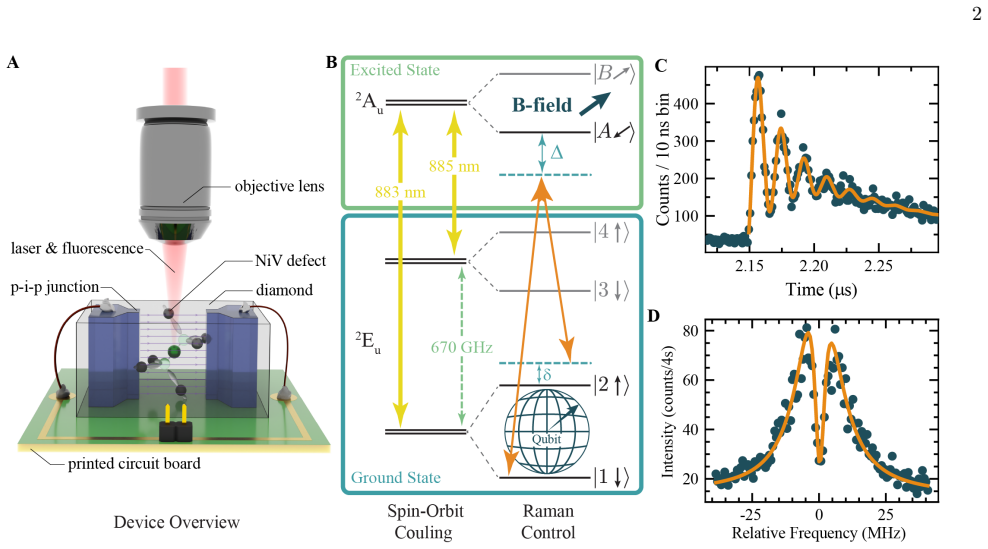
Quantum networks require qubits that combine efficient optical access, coherent control, and long-lived quantum memory, but realizing all three in one scalable platform remains a central bottleneck. Diamond color centers are leading candidates, yet widely studied defects retain tradeoffs among these capabilities. Here, we show that transition-metal defects in diamond provide a distinct route beyond these platforms by combining spin-orbit protected ground-state coherence, all-optical control, and near-infrared emission. Using a single nickel-vacancy (NiV$^-$), we demonstrate an all-optically controlled diamond spin qubit with coherence exceeding one millisecond at 1.65 K, compatible with compact closed-cycle cryogenics. We implement Raman Rabi oscillations and Ramsey interferometry and use all-optical dynamical decoupling to extend coherence from $T_2^*$ = 371 ns to $T_2^{CPMG-4}$ = 1.27 ms, establishing NiV$^-$ as a deployable diamond spin-photon interface.
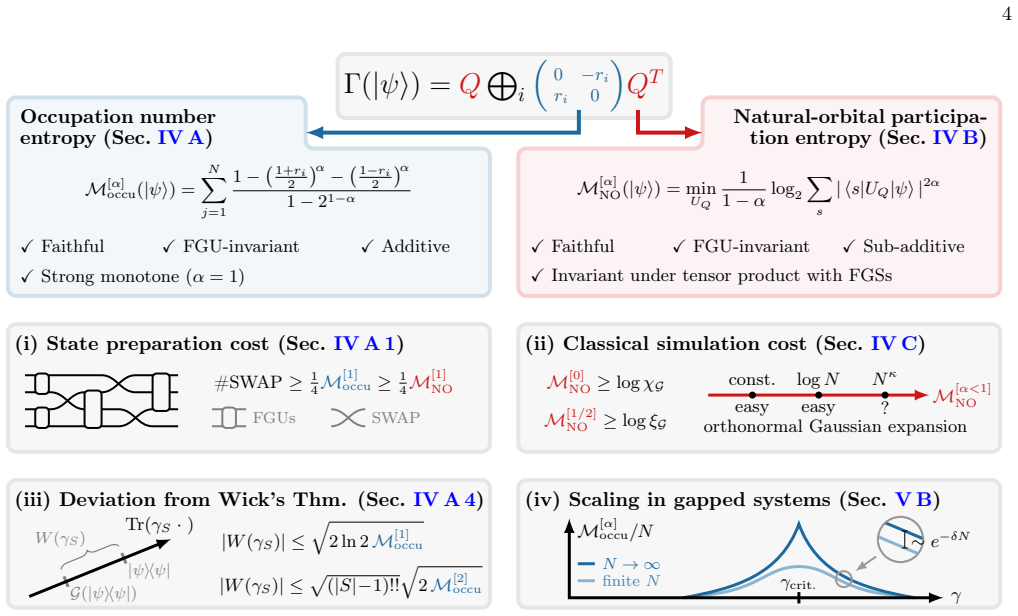
Fermionic non-Gaussianity, or fermionic magic, is a key resource underlying the computational complexity of fermionic quantum systems, yet tractable and operationally meaningful ways to quantify it remain limited. We address this challenge by developing a convex resource theory of fermionic non-Gaussianity and introducing two families of computable measures for pure fermionic states, both derived from the Williamson normal form of the covariance matrix. The first family, occupation number entropies, is defined as the Tsallis-$\alpha$ entropy of the occupation numbers. We prove that one member of this family is monotonic under Gaussian protocols, establishing it as a computable convex resource monotone. It consequently lower bounds the number of non-Gaussian gates needed for state preparation. The second family, natural-orbital participation entropies, is given by the R\'enyi-$\alpha$ entropy of the squared amplitudes of the state in the natural-orbital basis, defined by the eigenvectors of the covariance matrix. These measures quantify state compressibility in this basis and thus upper bound the classical simulation cost in an orthonormal Gaussian basis. We analyze both families for stabilizer and translation-invariant states, where they simplify and reveal additional structure. We further study representative examples, including random SWAP-doped matchgate circuits and the bond-modulated XXZ model, highlighting the role of non-Gaussianity in many-body phenomena. Our work establishes a resource-theoretic framework for computable fermionic non-Gaussianity that unifies notions arising across quantum information, condensed-matter physics, and quantum chemistry, opening new directions for studying the complexity of quantum many-body systems and providing practical tools to assess the classical simulability of fermionic states relevant for quantum advantage.
We prove that any generalized extended code is monomially equivalent to the Hermitian dual of a code which is closely related to a second kind of extended code of $\C^{\perp_{\rm H}}$. Every $[n+1,k+1]_{q^2}$ linear code $\D$ with $d(\D^{\perp_{\rm H}})>1$ is monomially equivalent to the generalized extended code $\C({\bf u},a)$ of an $[n,k]_{q^2}$ linear code $\C$ for a fixed $a\in\F_{q^2}^{*}$ and some ${\bf u}\in\F_{q^2}^{n}$. We then characterize the Hermitian hull and Hermitian dual distance of $\C({\bf u},a)$ in terms of the position of ${\bf u}$ relative to $\C+\C^{\perp_{\rm H}}$ and the interaction between ${\bf u}$ and the minimum weight codewords of $\C^{\perp_{\rm H}}$, respectively. We obtain explicit criteria to independently control the expected Hermitian hull dimension and Hermitian dual distance of $\C({\bf u},a)$. In particular, several conditions for simultaneously increasing the Hermitian hull dimension and the Hermitian dual distance of $\C({\bf u},a)$ are derived. Applying these results to the Hermitian construction for EAQECCs gives us $267$ new EA qubit codes of lengths $n \leq 40$ and $14$ new EA qutrit codes of lengths $n \leq 25$ compared to the best-known codes in Grassl's code tables and the imporvements recorded in very recent works in the literature. Among the new parameter sets, we confirm improvements for $236$ qubit and $8$ qutrit codes.
A structure theorem yields representations for GKP, cat and binomial codes that reveal how errors appear in phase space.
abstractclick to expand
In this paper we connect the structure theorem for quasiprobability representation of generalised probabilistic theories to bosonic quantum error correction codes, giving both a general phase-space representation for continuous-variable error-correcting codes, and showing as specific examples the phase-space representations obtained through this method for Gottesman-Knill-Preskill codes, cat codes, and binomial codes. This representation allows us to define both generally and for each of these codes the mathematical structure in phase space that errors can take, which we show both abstractly and for the specific example of single photon loss errors.
Quantum reservoir computing provides a framework for processing complex temporal data, yet its fundamental computational and energetic limits remain unresolved. Here, we establish a non-equilibrium thermodynamic framework that links the macroscopic predictive performance of driven open quantum systems to their microscopic energetic costs. By mapping the Holevo capacities onto the Bogoliubov-Kubo-Mori geometric manifold, we analytically prove that the computational peak within the quantum critical region originates from a strict spectral resonance: the closing of the energy gap forces the reservoir's transition frequencies to align with the chaotic drive. To evaluate the associated thermodynamic costs, we introduce quantum informational dissipation to quantify the non-predictive historical data structurally retained by the reservoir, deriving a generalized Landauer bound for continuous temporal processing. This reveals a fundamental thermodynamic trade-off: the critical resonance that unlocks optimal predictive capacity inherently maximizes informational dissipation and the irreversible work required for environmental erasure. Furthermore, coherence decomposition demonstrates that dynamic quantum coherences strictly amplify predictive capacity without demanding additional mechanical work. These findings establish the ultimate energetic limits of quantum learning devices, providing theoretical principles for designing energy-efficient quantum neuromorphic hardware.
Quantum annealing is a promising heuristic for combinatorial optimization, but on current hardware its performance degrades for larger and more complex problems due to noise and small energy gaps. Reverse annealing has been proposed as a refinement strategy, yet it remains unclear when it provides systematic advantages over standard forward annealing or simply increasing annealing time. We find that combining forward and reverse annealing consistently improves solution quality and efficiency across multiple problem classes. The benefits of reverse annealing increase with problem complexity and are strongest in regimes where forward annealing is increasingly limited. Moreover, reverse annealing yields larger efficiency gains than simply extending forward annealing times. We establish these results through a systematic experimental study on a D-Wave Advantage system, benchmarking reverse annealing across Max-Cut, Number Partitioning, and sparse clustering problems while varying reverse distance, pause duration, and annealing time. We identify a narrow optimal regime for reverse annealing parameters linked to the location of freeze-out points and energy-level crossings in the annealing schedule. These findings demonstrate that reverse annealing is most valuable for large, high-complexity optimization problems and is likely to gain importance as quantum annealing hardware scales toward more realistic applications.
Explicit latent compression in a quantum convolutional autoencoder raises detection performance over distributed-circuit versions.
abstractclick to expand
Quantum convolutional neural networks (QCNNs) have become increasingly popular in quantum machine learning (QML) due to their efficient parameterization and hierarchical representation of quantum information. Anomaly detection is an important machine learning task with applications across a wide range of domains, including scientific data analysis. In this work, we adapt a QCNN architecture into a quantum autoencoder (QAE) framework for reconstruction-based anomaly detection. The models are trained in a semi-supervised manner on normal samples to reconstruct feature-extracted and dimensionally reduced time-series data, with reconstruction error used as an anomaly score. We investigate two quantum convolutional autoencoder architectures that differ in their treatment of latent information: a hierarchical architecture in which information remains distributed across the circuit and a bottleneck-based architecture in which information is explicitly compressed and reconstructed using additional decoder qubits. The size of the quantum latent space is varied to study its influence on reconstruction accuracy and anomaly detection performance. The approaches are benchmarked against both a variational quantum circuit and a comparable classical baseline using a real-world exoplanet anomaly-detection dataset. Results indicate a trade-off between latent-space size and model capacity, while also suggesting that explicit latent-space compression through a quantum bottleneck can improve anomaly detection performance relative to architectures that retain information throughout the circuit.
Ultra-thin films are fundamental components of modern nanoelectronics, where reducing thickness to the few-nanometer scale leads to a dramatic increase in electrical resistivity. For decades, this behavior has been interpreted in terms of classical size effects, primarily surface scattering within the Fuchs--Sondheimer theory and grain-boundary scattering in the Mayadas--Shatzkes model. While these approaches successfully describe transport when the film thickness is comparable to the electronic mean free path, growing experimental evidence indicates that they become insufficient under extreme confinement. This review discusses the crossover from classical scattering to a quantum-confinement regime in which the electronic states available for transport are fundamentally restructured by finite size. We review the recently proposed reciprocal-space confinement theory, which predicts an exponential increase of resistivity with decreasing thickness at the nanoscale, and discuss how it can be combined with classical surface-scattering models to provide a unified description of ultra-thin metallic and semiconducting films. Finally, we summarize recent experimental evidence supporting this picture and discuss its implications for future nanoelectronic devices, nanoscale interconnects, and quantum transport under extreme spatial confinement.
We present a complete classification of integrable Yang-Baxter quantum circuits with open boundary conditions and arbitrary circuit geometries. Starting from the standard transfer-matrix construction with two types of staggered inhomogeneities, we derive a general mapping that determines the arrangement of circuit gates in terms of the inhomogeneities and the system size. We conjecture that time-periodic quantum circuits are integrable whenever the local bulk and boundary gates satisfy the Yang-Baxter equation and the same bulk gate is applied exactly once per period to every nearest-neighbor pair of spins. Our construction also provides an algorithm to detect Yang-Baxter integrability for circuits with arbitrary geometries. Furthermore, we introduce a third type of inhomogeneity, denoted by $\rho$, and demonstrate that the minimum possible circuit depth is four. We show that when these $\rho$-inhomogeneities are placed at the endpoints and in their immediate neighborhood, the resulting boundary gates can be interpreted as single gates acting on multiple sites. Our construction is fully general and applies to regular $R$-matrices, both of difference and non-difference type, together with their associated boundary matrices. As an application, we consider two-qubit gates corresponding to 6- and 8-vertex $R$-matrices of non-difference form satisfying the Yang-Baxter equation, and we construct the associated reflection matrices that generate integrable quantum circuits.
We present a theoretical study of electron tunneling through a magnetic barrier in 8-Pmmn borophene, created by depositing two ferromagnetic strips on the borophene sheet. Using a low-energy effective Hamiltonian that captures the anisotropic Dirac spectrum, we solve the Dirac equation in three regions and impose wave-function continuity at the interfaces. From the resulting spinor solutions, we compute current densities and determine transmission and reflection probabilities as functions of incident energy, angle, and barrier parameters. The transmission exhibits strong anisotropy due to the tilted Dirac cones, with pronounced suppression for specific incident directions, suggesting directional filtering of carriers. We further calculate the conductance using the Landauer-B\"uttiker formalism, revealing that both magnetic strength and barrier width can tune the charge transport properties. The results demonstrate that engineered magnetic barriers in 8-Pmmn borophene enable precise control over electron flow, offering a platform for anisotropic transport control and tunable quantum devices. The interplay between the intrinsic anisotropy of borophene and external magnetic barriers provides rich opportunities to manipulate Dirac fermions in two-dimensional systems.
Explicit check of MJM^T = J on the su(K) coadjoint orbit extends the two-state proof to general electronic states.
abstractclick to expand
Mapping methods are often used for the numerical simulation of nonadiabatic systems by propagating classical mapping variable trajectories. A recently popularised mapping method is spin-mapping, whose mapping variables arise from quantum mechanical operators with symmetries described by a Lie-Poisson algebra. Simulating the classical-like dynamics of spin-mapping systems accurately is generally challenging, with many methods unable to preserve the underlying geometric structure of the symplectic form. The Spin-MInt algorithm is a recently proposed algorithm propagating spin-mapping variables, with a direct proof of symplecticity existing only for 2 electronic states. Here, we directly prove the symplecticity of the Spin-MInt algorithm for a general $K$ electronic states. A review of the symplectic nature of coadjoint orbits of the $\mathfrak{su}(K)$ Lie-Poisson algebra provides the framework needed to understand symplecticity of the Spin-MInt algorithm in this general case. The symplecticity of the method on the associated coadjoint orbit is then shown for what we believe to be the first time via an explicit verification of the symplecticity condition $\mathbf{MJ}\mathbf{M}^\textrm{T}=\mathbf{J}$ exploiting the Lie-Poisson structure of the system. To our knowledge, this is the first time the monodromy matrix for the Spin-MInt algorithm has been explicitly stated using canonical coordinates on the coherent state manifold for a general number of states. We hope that this will assist the development of classical-like spin-mapping methods which might utilise elements of the monodromy matrix, and inform future work on similar symplectic algorithms for coupled and uncoupled Lie-Poisson systems.
Collective jump operators leave a subspace of states oscillating without decay, independent of field and dissipation details.
abstractclick to expand
We investigate the undamped behaviors in a spin-1/2 Heisenberg chain coupled with an environment via collective spin jump operators. Using the Bethe ansatz basis, we show that undamped modes exist for any chain length N >= 3. These modes remain robust against variations in the system parameters, including the specific form of the collective dissipation, and the external field. Exploiting the Bethe ansatz solution, we further characterize the number of undamped modes and their oscillation frequencies, uncovering long-lived coherent dynamics in open integrable quantum systems.
Achieving high-precision quantum computation requires effective suppression of idling errors that occur when qubits remain inactive during waiting periods within a quantum circuit. Conventional mitigation techniques, such as dynamical decoupling, suppress decoherence by periodically refreshing quantum states through the insertion of additional control gates. In this paper, we propose an alternative approach that suppresses idling errors through quantum circuit scheduling without introducing any additional gate operations. By appropriately adjusting the execution timing of quantum gates with scheduling flexibility, we demonstrate through both numerical simulations and hardware experiments that the overall computational accuracy can be significantly influenced and, in many cases, improved. In addition, we analytically derive the density-matrix evolution under idling noise and provide a theoretical framework that explains the observed behavior.
Quantum software testing (QST) checks whether quantum programs behave according to their intended specifications. A key requirement for QST research is a benchmark that supports rigorous empirical evaluation on programs that are testable and better reflect current software development practices. However, existing studies heavily rely on small hard-coded or circuit-level benchmarks, while available quantum programs are scattered across repositories without clear selection criteria, which limits fair comparison and systematic reproducibility. To this end, we present Qolumbina, a benchmark infrastructure for controlled QST experiments on scalable quantum programs. Qolumbina curates 40 programs from open-source repositories, turns them into test-ready subjects through systematic selection, refactoring, specifications, test case examples, unit tests, and standardized interfaces. We also propose QST-oriented criteria to characterize quantum programs along functionality, output behavior, development complexity, and quantum-specific execution complexity. Using these criteria, our empirical study shows that Qolumbina covers diverse testing-relevant properties and supports scalability analysis beyond fixed-size circuit benchmarks. Through controlled experiments with two recent QST approaches, we demonstrate the feasibility of using Qolumbina for execution-cost and fault-detection studies, and highlight backend-dependent effects that can influence QST result interpretation.
Lithium niobate thin films reach 0.999 purity entangled pairs at 3114 nm with three orders higher output than bulk crystals.
abstractclick to expand
Mid-infrared quantum light sources hold broad application prospects in fields such as gas sensing and infrared thermal imaging. However, currently used mid-infrared quantum entangled light sources primarily rely on bulk periodically poled lithium niobate (PPLN) crystals, which limits brightness and integration. This paper proposes a theoretical scheme based on lithium niobate thin films, in which 1556.9 nm pumping is used to generate entangled photon pairs with a central wavelength of 3113.8 nm. By optimizing the waveguide structure and periodic polarization design, type-II phase matching and group velocity matching are achieved. This enables transverse electric (TE)-polarized pump input to be down converted to generate photon pairs with TE and transverse magnetic (TM) polarizations. Furthermore, by combining a domain arrangement algorithm used for the customized design of polarization direction in PPLN waveguides, precise phase matching is achieved, resulting in a quantum light source with a purity as high as 0.999 and a brightness of 6.18$\times 10^6$ cps/mW, which is three orders of magnitude higher than that of the bulk PPLN crystal source. This study provides a promising solution for realizing high-brightness, high-purity on-chip quantum light sources in the mid-infrared band.
It is necessary to investigate the local distinguishability of orthogonal quantum state sets, as their adoption in protocol design helps diminish quantum state transmission and cut operational costs. In this paper, we explore the local distinguishability of six orthogonal product states (OPSs) on any bipartite quantum system. We classify different sets of six bipartite OPSs into eight categories by using the vectors of the numbers of pairwise orthogonality relations, where any two states are orthogonal on only one subsystem within each set. We find that these eight categories contain a total of 78 distinct cases, all but five of which are perfectly distinguishable via local operations and classical communication (LOCC). Furthermore, we discuss the local distinguishability of those five distinct cases in detail. Our work explicitly characterizes the local distinguishability of six bipartite OPSs.
The aging transition is a critical phenomenon in which collective dynamics deteriorate as the fraction of inactive quantum nodes exceeds a threshold, referred to as the aging transition point. Such transitions are relevant to a broad range of biological and physiological systems, and may play an important role in quantum information processing, particularly in the stability assessment and robustness control of quantum networks. Detecting the aging transition point is therefore crucial for predicting network breakdown, since it marks the critical threshold at which a quantum network abruptly loses its stable active state and enters a degraded inactive phase. Here we propose a quantum sensing strategy to locate this transition point using a single qubit probe coherently coupled to a small subset of oscillator nodes. As the inactive fraction p approaches the aging transition point, the excited-state population of the probe becomes highly sensitive to variations in p, leading to a pronounced enhancement of the Fisher information. This critical enhancement enables high-precision estimation of the transition point. Remarkably, this enhancement survives even in the classical regime for the oscillators, where the Fisher information increases dramatically as p approaches the transition region. Our results establish a feasible route to sensing aging transitions in oscillator networks and provide a metrological perspective on critical phenomena in quantum many-body systems.
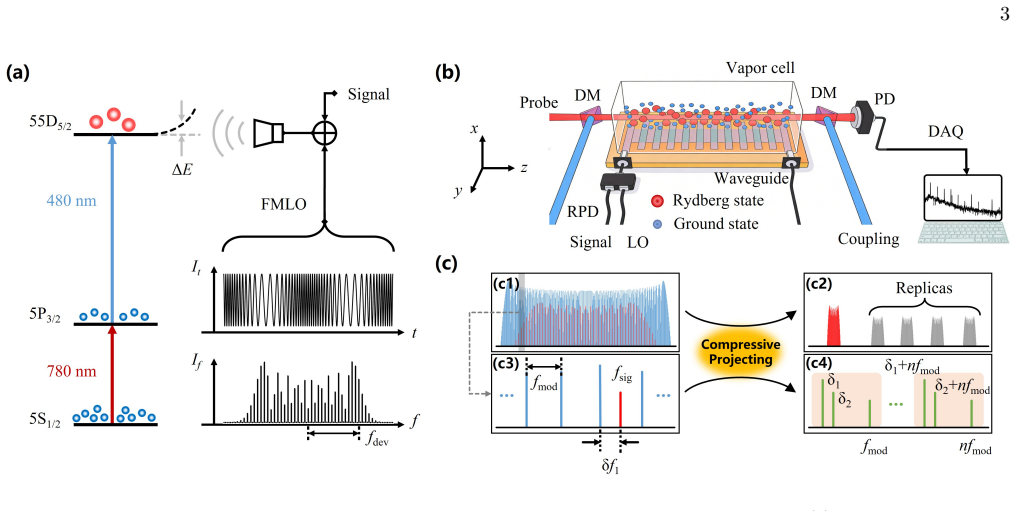
Rydberg-atomic receivers exhibit exceptional sensitivity yet are fundamentally constrained by the narrow instantaneous bandwidth, limiting their practical deployment in broadband scenarios. Prior approaches typically expand the bandwidth by physically broadening the atomic response, which usually requires auxiliary electromagnetic fields or stringent parameter tuning, thereby increasing overall system complexity. Here, we propose a compressive spectral multiplexing framework implemented in a waveguide-coupled Rydberg atomic receiver using a frequency-modulated local oscillator (FMLO). The FMLO creates multiple parallel sensing channels that collectively constitute a physical compressive sensing matrix, generating multiple narrowband intermediate-frequency replicas of the input signal. Thus, a broadband microwave spectrum is projected onto a set of narrowband atomic responses. It is demonstrated that spectral information spanning a bandwidth of over 640 MHz can be effectively compressed into the intrinsic atomic bandwidth of 126 kHz, achieving a spectrum compression ratio exceeding 1000. Furthermore, these output replicas offer intrinsic measurement redundancy and facilitate signal-to-noise ratio enhancement. An approximate 10 dB gain is achieved in the required bit-energy-to-noise-power-density ratio for multi-channel communication via maximal-ratio combining. This approach requires no auxiliary fields or broadband electronics, providing a simple and scalable pathway for chip-scale quantum receivers, latency-critical sensing, and next-generation wireless communications.
In the NISQ era, there is a need for resource-efficient proof-of-principle experiments that can be built up to genuine utility. Single-qubit classifiers (SQCs) are small-scale hybrid quantum-classical machines capable of performing a basic machine learning task: classifying data. In principle, these can be scaled up to many-qubit quantum classifiers capable of quantum computational advantage. Another type of quantum advantage is enabled by blind quantum computation (BQC), wherein a client may run delegated quantum computations on an untrusted server with information-theoretic security. In this paper, we develop a framework and propose a prototype experiment for a SQC where it is known to the server that a classification is being performed, but the data and outcome stay hidden, i.e., it performs partially-blind SQC (PB-SQC). This can be integrated into a quantum network to deliver quantum-secured classifications to remote clients; we study this for a heterogeneous quantum network link in which entanglement is shared between a server and a client equipped with a multiplexed solid-state quantum memory using entanglement swapping. The framework we develop for PB-SQC on this setup is tested in a simulation with realistic hardware parameters on a real-world credit card transaction fraud database with classification outcomes approaching those of its equivalent classical deep-belief network. In addition, we show how a two-qubit classifier (TQC) instead of a SQC enables verification of the computation. These results pave the way towards a short- to mid-term quantum network offering use-case-ready quantum applications.
False vacuum decay describes the relaxation of a metastable state through the nucleation and growth of bubbles of the stable phase. Despite describing a broad variety of phenomena across different fields, the quantum version of the nucleation theory has little experimental or numerical support. Testing its predictions is particularly important in two or more spatial dimensions, where bubble nucleation acquires its true geometrical nature. Here, we study false vacuum decay in the quantum Ising model in two dimensions. Through tree tensor network simulations we extract the decay rate, the effective interface tension and the critical bubble size. We compare them to new semi-classical field theory calculations, and find excellent agreement. These results provide numerical evidence that the critical-bubble picture survives in an interacting quantum spin system in 2+1 dimensions.
Active control of the untrusted measurement node leaks substantial secret key bits despite the protocol design.
abstractclick to expand
The security of practical quantum key distribution (QKD) systems is fundamentally constrained by vulnerabilities of single-photon detectors. Measurement-device-independent quantum key distribution (MDI-QKD) was proposed to remove this limitation by allowing all measurements to be performed by a completely untrusted party, under the assumption that the measurement node can be treated as adversarial but does not compromise the security guarantees of the protocol.
Here we show that this assumption is insufficient under realistic adversarial control of the measurement device. We present an attack in which an adversary exploits active control of the measurement node (Charlie) to obtain significant information about the secret key. The attack enables recovery of up to 70\% of the sifted key while introducing only 5.6\% quantum bit error rate. Unlike previously reported attacks targeting specific implementations of MDI-QKD, our results demonstrate a limitation of the standard security model underlying the protocol.
These findings indicate that additional constraints on the measurement-device independence assumption, or refined security analyses incorporating stronger adversarial capabilities, are required to ensure the security of MDI-QKD in realistic scenarios.
They match classical models on COVID-19 tweet sentiment but show stronger generalization to SMS spam detection.
abstractclick to expand
Quantum machine learning has recently emerged as a promising paradigm that leverages the expressive power of quantum circuits to address complex learning tasks. In this work, we investigate the applicability of hybrid quantum-classical neural networks to sentiment analysis, a central problem in natural language processing. We focus on a dataset of tweets related to COVID-19, where the textual content is vectorized using TF-IDF and fed into both classical feedforward networks and hybrid architectures incorporating parameterized quantum circuits. Our results show that hybrid models can achieve accuracy comparable to the classical baseline, while exhibiting distinct learning dynamics, especially in terms of validation loss and accuracy, that suggest a richer representational capacity. Moreover, when applying transfer learning to an SMS spam classification task, the hybrid models consistently outperform the classical counterpart, achieving an accuracy increase of 15 percentage points (from 66% to 81%) on the spam class, demonstrating enhanced generalization. These findings highlight the feasibility of employing QML for natural language processing and point toward the potential advantages of hybrid models as quantum hardware continues to advance.
Quantum magic is a fundamental resource that quantifies to what extent quantum states can be efficiently simulated on a classical computer. We study it for states constructed from the Sachdev-Ye-Kitaev (SYK) Hamiltonian with $N$ Majoranas by the fermionic anti-flatness (FAF). We show analytically that, in the large $N$ limit, the quantum magic of pure Kourkoulou-Maldacena (KM) states, dual to a quantum black hole with an end-of-world particle behind the horizon, is linear in $N$ with a slope, depending on the black hole temperature, that can be tuned between zero and $1/2$. By contrast, the FAF of Gaussian states evolved in real time with the SYK Hamitonian approaches $\approx N/2$ exponentially at a rate given by a multiple of the leading Ruelle-Pollicot resonance. Subleading corrections in $N$ for SYK energy eigenstates, computed numerically for $N \leq 54$ by combining Krylov subspace with GPU acceleration techniques, decay exponentially with $N$, but power-law if the SYK couplings are sparsified, and are order of magnitude larger for states close to the ground state, a region with an established gravity analogue. Our results offer new insights about the relation between quantum information, quantum chaos and low-dimension quantum gravity.
In this work, we investigate the generation of squeezed Schr\"odinger cat states in schemes based on photon-number-resolving measurements on multimode Gaussian states. We derive analytical expressions for the states generated in two- and three-mode schemes, as well as formulas for their fidelity with squeezed Schr\"odinger cat states. We analyze how the amplitude of the generated states scales with the number of detected particles. Furthermore, we derive an upper bound on the achievable generation fidelity and identify the conditions under which multimode schemes can enhance the quality of the generated states.
Long-lived logical qubits are essential for fault-tolerant quantum computation. However, the practical performance of traditional error correction protocols relies on performing specific syndrome circuits, causing vulnerability to hardware defects and imposing rigid connectivity constraints. Recent theoretical findings have proposed that flexible subroutine circuits within the LUCI framework can maintain space-time distance in the presence of isolated or broken components, albeit at the expense of temporal distance. However, these approaches have solely targeted defect avoidance and have not yet been demonstrated to suppress errors with reduced temporal distances on physical hardware. In this work, we propose a reset-free scenario for the LUCI framework and experimentally benchmark it on IBM quantum hardware. By asymmetrically scaling the $X$ or $Z$ distance, we compare our reset-free approach against the standard surface code and successfully demonstrate error suppression ratios for targeted logical Pauli errors. Remarkably, despite a nearly halved syndrome density in time, which requires two subroutine rounds for full syndrome extraction, the LUCI framework remains competitive with the rotated surface code implementation. In the LUCI framework, we observe error suppression of $1.75(10)$ for logical $X$ errors and $1.93(12)$ for logical $Z$ errors, whereas the standard approach yields $ 1.58(13)$ and $2.44(7)$, respectively. These results demonstrate that dynamic codes outperform standard methods by avoiding highly noisy components, even without physical defects, while preserving logical boundaries. Our findings challenge the conventional dependency on static fault-tolerant architectures by verifying the feasibility and efficacy of the LUCI framework on physical hardware and pave the way for hybrid, hardware-compatible code designs in quantum computing.
Mutual information vanishes as O((dA dB/dE)^2) for Type II1 and gains entropy suppression for II∞ gravitational algebras.
abstractclick to expand
Typicality arguments for emergent spacetime rely on the Lubkin-Page bounds, which show that generic quantum states have vanishing correlations between subsystems. These bounds assume a tensor-product Hilbert space (a Type~I von~Neumann algebra), but the observable algebras in quantum field theory and quantum gravity are generically Type~II or Type~III, raising the question of whether the bounds survive. We prove that they do for all Type~II von~Neumann factors. For the hyperfinite Type~II$_1$ factor with a tripartite decomposition $R \cong A \otimes B \otimes E$, the mutual information between subsystems $A$ and $B$ vanishes as $O((d_A d_B / d_E)^2)$ in finite-dimensional approximations, provided $d_A d_B \leq d_E$ (Theorem~1). For Type~II$_\infty$ factors, including the gravitational algebras constructed via the crossed-product method by Witten and by Chandrasekaran, Longo, Penington, and Witten, the bound acquires an additional exponential suppression controlled by the Bekenstein-Hawking entropy (Theorem~2). We identify the obstructions to extending the result to Type~III factors and discuss the open question of whether the commutant of the observable algebra can serve as a natural thermal bath that tightens the bound further.
Generalized quantum signal processing turns Trotter or multiproduct evolution into an epsilon-approximate encoding with near-optimal depth.
abstractclick to expand
Block encodings are a central primitive in quantum algorithms, but standard constructions typically require logarithmic ancilla overhead and complicated controlled operations. Recent lower bounds further show that such ancilla overhead is unavoidable for exact constructions in broad circuit models. We show that this barrier can be bypassed in the approximate setting. Specifically, we present a simple single-ancilla construction that converts Hamiltonian evolution into a block encoding of the underlying Hamiltonian, via generalized quantum signal processing. For operators given by Hermitian decompositions $A=\sum_{j=1}^L \alpha_j H_j$, we instantiate this block-encoding construction in two ways, which differ in how the required Hamiltonian evolution is implemented. Using higher-order Trotterization, we obtain an $\varepsilon$-approximate block encoding of $A$ with only one ancilla qubit and circuit depth $\widetilde O\big(L(\alpha/\varepsilon)^{o(1)}\big),$ where $\alpha=\sum_j \alpha_j$. Using multiproduct formulas, we obtain circuit depth $\widetilde O(L)$, at the cost of $O(\log\log(1/\varepsilon))$ ancilla qubits. Our constructions provide alternatives to the standard LCU framework, with a focus on reducing the number of ancilla qubits while maintaining (near-)optimal circuit depth.
Memory devices for single photons are notable components for quantum information processing and quantum communications. The present study investigates the possibility of achieving storage of light at the level of single photons inside nanofibers by exploiting stimulated Brillouin scattering. We present first the standard approach using a coherent buffer in a nanoscale waveguide by transferring the optical signal coherently to an acoustic wave, and that can be extracted by the reverse process. The life time of the acoustic wave put limitation on the applicability of such approach for single photon signals. We introduce a configuration for achieving a slow signal at the level of single photons without gain or loss. The process utilizes photon-phonon Brillouin interactions involving two counter propagating pump fields. The photon storage is achieved through time delay of significantly slow signal inside nanowires. We address the condition for getting negligible influence due to the scattering off thermal phonons.
We establish an upper bound on extractable work for time-dependent, non-Markovian quantum heat engines operating with finite baths. This bound analytically isolates the distinct thermodynamic penalties arising from system-bath correlations, bath non-equilibrium, and residual interaction energy. Evaluating this framework operationally via a quantum polytropic cavity-optomechanical cycle, we demonstrate that maximal efficiency requires quasi-static operation to successfully harvest coherent, non-Markovian system-bath resonances. Conversely, optimising for maximum power enforces a strict finite-time regime. Under realistic hardware constraints, this acceleration necessitates larger discrete operational steps, where we expect Trotterisation errors to manifest as physical noise. Such noise would irreversibly suppress delicate quantum memory effects, forcing a collapse to the memoryless Markovian Otto limit. Coupled with the permanent energetic tax of switching finite-bath interactions, our results indicate that the exploitation of quantum memory resources and finite-power operation belong to different operational regimes.
Coherence-based spectroscopy methods are powerful tools to explore structure and dynamics of matter. However, towards higher photon energies, the generation of sequences of pulses with well-characterized relative delays and phases remains a challenge. Here, we introduce a method to measure the relative phase $\varphi$ between subsequent transform-limited pulses from high-repetition-rate x-ray free-electron lasers (XFELs). It is based on a Ramsey-type interference measurement, enabled by introducing long-lived M\"ossbauer resonances into the XFEL beam path up- or downstream a primary experiment, which allow one to bridge the temporal gap between the XFEL pulses. The measured phase can be used as additional input for the analysis of the primary experiment.
We study the compilation of structured quantum gate families on two-dimensional neutral-atom arrays, aiming to reduce addressing and transport overhead under realistic hardware constraints. For single-qubit gates, we exploit the algebraic structures of gate families at the matrix level, enabling efficient rank-one decompositions over appropriate algebraic structures and thereby reducing the number of addressing layers. For controlled-Z (C-Z) gates, we formulate the transport scheduling problem using graph-theoretic models, leading to efficient compilation algorithms under realistic transport constraints. We provide provable performance guarantees for the proposed methods and validate them through extensive numerical experiments. Across representative single-qubit gate families, our methods reduce the number of addressing layers by up to a factor of two compared with na\"ive row- or column-wise implementations. For C-Z gates, our scheduling strategy reduces the required number of atom transport operations by approximately 50\%. When applied to QAOA circuits for MaxCut, the proposed framework reduces transport cost by more than 30\% on average. These results show that the physical constraints of neutral-atom hardware can be converted into algebraic and graph-theoretic structure, turning a hardware-level scheduling bottleneck into tractable decomposition and coloring problems.
Glauber's coherent state is denoted by $\ket{\alpha}$ and its two-mode extension is represented by $\ket{\alpha,\beta}$. In this work, we introduce a two-mode superposition operator $A=tab+ra^\dagger b^\dagger$, whose action on the two-mode coherent state produces the two-mode coherent superposed quantum state $\ket{\psi}=(tab+ra^\dagger b^\dagger)\ket{\alpha,\beta}$. We investigate the nonclassicality and quantum non-Gaussianity of this state by means of the Wigner distribution and Wigner logarithmic negativity. Once its intrinsic nonclassical and non-Gaussian structure is established, the state is employed as the entangled resource in the Braunstein-Kimble continuous-variable (CV) teleportation protocol. We compute the ideal teleportation fidelity for coherent and squeezed inputs and analyze how the strengths of nonclassicality and non-Gaussianity influence the teleportation efficiency. Our results identify specific parameter regimes where enhanced non-Gaussian features or increased nonclassicality enable fidelities beyond the classical threshold, thereby revealing the operational significance of engineered two-mode quantum states in CV quantum information processing.
Treating images as probabilistic waves integrates physics into AI for better bias handling and noise robustness.
abstractclick to expand
This study provides a theoretical expansion of the recent Data Relativistic Uncertainty (DRU) framework by formalizing a physics-to-AI paradigm for image enhancement. By modeling images as probabilistic wave functions rather than deterministic states, the paradigm explicitly integrates wave-particle duality to illustrate the system flow of how DRU leverages the intrinsic physical uncertainty of light, a dimension requiring further theoretical discussion. Consequently, this paradigm provides a rigorous Explainable AI (XAI) approach that enhances the interpretability of how DRU mitigates illumination bias and maintains robustness against data noise.
Quantum relative entropy is a core concept in physics, governing the limits of communication, thermodynamic irreversibility and quantum resource conversion. However, the requirement that physical processes cannot increase state distinguishability, the data-processing inequality, permits an infinite family of alternative divergence measures. Here we show that quantum relative entropy is uniquely selected by a sharper operational principle. We evaluate distinguishability through binary guessing games, in which an observer discriminates between pairs of quantum states using the optimal measurement. We prove that any additive measure that respects the odds revealed by these optimal measurements must coincide with the Umegaki relative entropy. This rigidity is a purely quantum phenomenon. Whereas classical theory permits a continuous family of valid divergence measures, including R\'enyi divergences, quantum noncommutativity. collapses this mathematical freedom. The result is exact, requiring neither a thermodynamic limit of infinitely many copies nor super-additivity assumptions for correlated states. It establishes quantum relative entropy not merely as an asymptotic quantity, but as the unique additive distinguishability measure compatible with single-shot quantum discrimination.
Bayesian quantum estimation offers a finite-data framework for quantum sensing and metrology, yet a unified geometric formulation for multiparameter Bayes risk has been lacking. We introduce Bayesian monotone metrics by evaluating Petz monotone metrics on the prior-averaged state, providing a Bayesian extension of the full class of statistically meaningful (CPTP) quantum metrics. This framework yields Bayesian quantities, including quantum posterior-mean operators and a quantum Bayesian dual Fisher-information matrix, and it leads to a systematic family of computable lower bounds on the Bayes risk. The resulting bounds naturally incorporate multiparameter measurement incompatibility and, for every monotone metric in the family, we prove a universal dominance over the corresponding quantum van Trees (Bayesian Cram\'er--Rao) bound. Moreover, we show that optimizing over all operator monotone functions collapses to a one-parameter subfamily, turning the tightest bound into a tractable optimization with a clear geometric interpretation. In representative examples, the optimized bounds are strictly tighter than the Bayesian SLD and RLD bounds. Our results establish Bayesian monotone metrics as a unifying information-geometric perspective on Bayesian quantum estimation, enabling systematic and computable performance limits in multiparameter settings.
The efficient preparation of correlated thermal states, such as the Thermofield Double (TFD) state, is a fundamental prerequisite for simulating quantum gravity models and many-body thermodynamics on quantum processors. In this work, we investigate the ground state preparation of the Two Coupled Sachdev-Ye-Kitaev model, known as the Maldacena-Qi model, which is dual to a traversable wormhole in $AdS_2$, utilizing feedback-based quantum algorithms. We demonstrate that the standard feedback-based quantum algorithm (FALQON) and its time-rescaled variant (TR-FALQON) face severe kinetic limitations in this system, failing to converge to the highly entangled ground state when initialized in trivial product states. To overcome these barriers, we propose the hybrid ITE-TR-FALQON protocol, which integrates the imaginary-time evolution present in imaginary-time-enhanced FALQON (ITE-FALQON) with the time-rescaling mechanism. Our numerical results indicate that the introduction of non-unitary dynamics is strictly necessary to break symmetry traps and filter out excited states, while time-rescaling drastically accelerates algorithm convergence. The proposed method achieves fidelities close to unity and reproduces the von Neumann and R\'enyi entropy spectra of the exact TFD state with high precision.
In this paper, we suggest a chiral interaction scheme to enhance magnon bundle emission by placing a qubit and a magnon into a cascaded-cavity setup, respectively. It is found that the unidirectional interaction prolongs the lifetime of the target excited state, thereby suppressing the magnon re-excitation and promoting both the average purity and number of two-magnon bundles. Consequently, the chiral interaction not only offers directional control but also improves the quality of the multi-magnon source, which may find potential applications in quantum information processing.
The quantum Kramers-Wannier (KW) duality is a fundamental transformation mapping short-range entangled (SRE) states to long-range entangled (LRE) states. While spatially local unitary circuits require linear-in-system-size depth to implement this duality, the ultimate speed limit for purely unitary circuits equipped with nonlocal connectivity remains an open question. Here, we explicitly construct logarithmic depth, spatially nonlocal unitary circuits that realize the exact $\mathbb{Z}_2$ KW dualities in both one and two spatial dimensions. We further generalize the construction to arbitrary $\mathbb{Z}_n$ KW dualities. Unlike algorithms tailored to prepare specific target states, our circuits implement complete duality maps. Within the symmetric (charge-neutral) sector, these dualities exactly transform arbitrary non-fixed-point SRE states into their corresponding LRE duals. Consequently, our results establish an efficient, purely coherent pathway for exploring phase transitions and topological dualities on modern quantum platforms.
We show that exchange symmetry in collisions of identical particles enables symmetry-protected coherent control of the total scattering cross section. For identical fermions, antisymmetrization enforces complete phase synchronization of the contributing scattering channels, yielding maximal control visibility. For identical bosons, synchronization persists but with reduced visibility due to additional exchange (satellite) contributions. Collisions of distinguishable particles lack this symmetry-imposed phase locking, leading to lower controllability and visibility. We elucidate these principles through coupled-channel quantum-scattering calculations for lithium-lithium collisions, comparing the $^{6}\mathrm{Li}$-$^{6}\mathrm{Li}$ (identical fermions), $^{7}\mathrm{Li}$-$^{7}\mathrm{Li}$ (identical bosons), and $^{6}\mathrm{Li}$-$^{7}\mathrm{Li}$ (distinguishable) systems. Furthermore, in the identical particle cases, symmetry-enforced synchronization enables full control over the parity of the final state at any collisional energy. This mechanism is broadly applicable to identical-particle collisions, including homonuclear molecules for which established approaches -- DC electric fields, or microwave shielding -- are ineffective or unavailable.
All-optical (AO) microwave-free magnetometry using nitrogen-vacancy (NV) centers in diamond simplifies experimental design and broadens sample compatibility. While continuous-wave (cw) detection of AO photoluminescence (PL) changes is commonly employed, its performance is susceptible to systematic fluctuations such as optical intensity noise. To address these challenges, we introduce a pulsed AO protocol that employs two PL measurements within an optical pulse to suppress common-mode noise. At near-zero magnetic field, we experimentally demonstrate that the pulsed AO protocol resolves AO-PL contrast features arising from NV-NV cross-relaxation, achieving up to 10$\times$ improvement in the low-frequency noise floor compared to conventional cw AO techniques. We further investigate the dependence of AO-PL contrast on PL readout timing and the dark time duration $\tau$ between optical pulses, with the optimal $\tau$ varying based on NV concentrations. These findings provide insights into optimizing NV-diamond samples for effective AO operation across diverse applications.
Since the complexity of quantum state tomography (QST) scales exponentially with system size, exploiting priors such as low-rankness, tensor-network structures, and neural-network representations is essential for scalable QST in terms of sample complexity and parameter complexity. In this paper, we introduce a unified framework, termed structured factorization, that builds on BurerMonteiro-type factorization by parametrizing the density matrix as $FF^\dagger$, where the factor $F$ is constrained to belong to a structured model class. This factorization guarantees physical validity by construction while allowing a broad range of structural priors to be incorporated directly through the choice of the factor space, ranging from the generic Cholesky decomposition to low-rank matrices, matrix product operators, and neural density operators based on multilayer perceptron and transformer architectures. Building on this structured factorization framework, we formulate QST as an optimization problem over the factor space from measurement data. We first develop a unified statistical analysis of the sample complexity of least-squares estimation for a broad class of structured quantum states. We then propose a projected gradient descent method that operates directly on the factor space and accommodates a wide range of structural parametrizations and reconstruction objectives. To further exploit the geometry of the maximum-likelihood estimation formulation and the constraints on the factors, we derive a power method that yields a step-size-free algorithm with fast convergence, recovering Covers method as a special case when the factor is unconstrained.
Quantitative validation of quantum simulations of dynamical spin response remains challenging because experiment, classical simulation, and quantum simulation do not produce the same native observables. This problem has become increasingly important as quantum simulation protocols for dynamical response have progressed from theory to hardware-level benchmarking against neutron-scattering data, while the longer term goal is validation in regimes that may eventually become classically intractable, including in future fault-tolerant implementations. Here, we develop a cross-pipeline validation framework for quantum simulation, using inelastic neutron scattering and classical many-body simulation as complementary experimental and computational anchors, based on explicit forward and inverse observable maps, covariance- or resampling-based uncertainty propagation, robustness tests for structured distortion, and a hierarchy of complementary metric families. The framework distinguishes stochastic uncertainty from robustness-induced distortion, carries both explicitly through the comparison chain, and uses the resulting metric-level uncertainty and distortion information to support layered validation at the pipeline, solver, and model levels. We also introduce actuator-aware feedback logic aimed at improving agreement without obscuring the physical origin of any remaining mismatch. We close by outlining future extensions of this methodology, including upstream uncertainty and distortion modeling, adaptive feedback, asymmetric validation beyond full classical benchmarking, fault-tolerant workflows, and community infrastructure for reproducible validation.
Maximal leakage from classical data to encoding limits any quantum task, with tight frames optimal in small dimensions.
abstractclick to expand
Optimal encoding of classical data for quantum-assisted statistical inference is investigated from an information-theoretic perspective. We prove that the accuracy of any quantum-computing inference procedure is upper bounded by the maximal quantum leakage from the classical data through its quantum encoding, establishing leakage as a universal, task-agnostic quality measure for encoders. This demonstrates that the maximal quantum leakage is a universal measure of the quality of the encoding strategy for statistical inference as it only depends on the quantum encoding of the data and not the inference task itself. The optimal universal encoding strategy, i.e., an encoding strategy that maximizes the maximal quantum leakage, is proved to be attained by pure states. When there are enough qubits, basis encoding is proved to be universally optimal. However, when the dimension of the system is small, phase encoding is optimal. For the latter, any tight frame, any ensemble whose average state is the maximally mixed state, is in fact optimal. Within tight frames, equiangular tight frames (ETFs) are distinguished as the uniquely symmetric optimal encodings, i.e., they saturate the Welch lower bound on pairwise overlaps and possess a self-referential optimal measurement. Prominent special cases are the qubit trine, the regular simplex, and symmetric informationally complete positive operator-valued measures (SIC-POVMs), for which the ETF structure and explicit codeword constructions are provided. Numerical examples are presented to validate the theoretical predictions.
Quantum algorithms for quantum chemistry and other many-body fermionic systems work by expressing the Hamiltonian in a basis of qubits and fragmenting the Hamiltonian into a sum of products of Pauli operators whose exponentials are easily encoded on a quantum device. Applying the product of exponentials, known as Trotterization, leads to an error associated with the non-commutativity of operators. This error can lead to breaking the symmetries of the Hamiltonian because the fragments are not symmetry conserving in general. Nonetheless, many algorithms for time evolution rely on Trotterization, including time evolution and quantum phase estimation. We show that we can express the Hamiltonian in terms of Hermitian excitation operators which map to sums of commuting Pauli strings for any encoding and conserve symmetries corresponding to Abelian groups of symmetry operators. Symmetries corresponding to non-Abelian groups, on the other hand, are not fully conserved by Trotterized Hermitian excitation operators, so we developed ``operator kirigami'' to cut the sum of non-commuting operators by orthogonal projection and to fold terms together using unitary rotations. We tested pools of operators for small molecules and basis sets, and found that electron number and spin symmetry conserving pools led to greater errors that decreased for larger molecules and were negated with second-order Trotterization. Our work shows the potential for testing quantum computing algorithms on classical computers by adapting tools used in electronic structure theory with conserved symmetries.
We study how the Lamb shift of a static atom is modified when a nearby planar body rotates rigidly about its normal while the atom is held at a fixed distance $a$. We derive a general formula for the shift in terms of the angularly Doppler-shifted reflection coefficients of the surface, valid for any axially symmetric planar material. Expanding the result to second order in the angular velocity $\Omega$, we identify two independent contributions associated with the orbital and spin components of the electromagnetic angular momentum. The orbital contribution, proportional to $(\Omega\rho)^2$, reproduces locally the Lamb shift induced by a surface translating at the tangential velocity $\Omega\rho$, whereas the spin contribution, proportional to $(a\Omega)^2$, originates from the rotational Doppler shift of the photon helicity and survives even on the rotation axis. We first illustrate the formalism using a graphene sheet and then apply it to finite-thickness Drude and plasma conductors and to doped semiconductors. Rotation enhances the Casimir-Polder interaction for graphene and metallic surfaces, whereas it weakens it for doped semiconductors, depending on whether the carrier plasma frequency reaches the near-field scale $1/a$. Above a threshold angular velocity, the atomic level also acquires a finite linewidth, providing a spectroscopic signature of quantum friction.
Violations of Bell inequalities are a hallmark of entanglement, with only entangled states capable of exceeding classical bounds in standard Bell tests. Here we analyze anomalous weak values of the CHSH operator in pre- and post-selected (PPS) quantum ensembles, treating them as generalized bounds on Bell-type nonlocal correlations in the presence of post-selection. Fixing the overlap between the pre- and post-selected states, we compare three scenarios: unrestricted boundary states, one separable boundary state, and both boundary states separable. For each case, we derive both the maximal weak value for a fixed Bell operator and the maximal bound obtained by further optimizing over all CHSH operators. Our results show that post-selection and entanglement are distinct operational resources: post-selection alone can enhance correlations, but entanglement is necessary to exceed the corresponding separable PPS bounds, and their combination yields the strongest attainable correlations. We further show that the enhancement beyond the separable bound closely tracks the concurrence of the states that optimize the bounds, identifying entanglement as the source of the additional correlation strength. Finally, we show that nonlocal weak values provide post-selected entanglement witnesses, and we give a constructive protocol that detects every pure two-qubit source state with nonzero concurrence in the ideal state-adapted setting, even in regimes where the corresponding standard CHSH entanglement test is inconclusive. In this state-adapted setting, we explicitly construct the post-selection and CHSH measurements that achieve the largest possible separation from the separable PPS bound. More broadly, our results motivate hybrid protocols that combine post-selection and entanglement, with possible applications to improved quantum sensing, weak-value amplification, and quantum information processing.
Fault-tolerant quantum computation requires logical operations that manipulate encoded information while preserving quantum error-correction protection. In planar surface-code architectures, code deformation and lattice surgery provide a local, measurement-based route to such operations. Here we experimentally realize key elements of patch-based surface-code logical processing on a 107-qubit superconducting quantum processor. We first implement a reusable primitive layer comprising merge and split, patch expansion and shrinkage, and deformations mediated by domain walls and twist defects. We then compose these primitives to realize logical state routing, the logical controlled-NOT gate, and the single-qubit Hadamard and phase gates, which together form a Clifford-generating set. All operations are implemented on distance-three rotated surface-code patches with multi-round syndrome extraction and neural-network decoding, without post-selection. Our results advance superconducting surface-code experiments from protected logical memory to active, patch-based fault-tolerant logical operations.
Classical models of opinion dynamics represent individual opinions as scalar or vector values governed by the classical probability theory, either as deterministic quantities or random variables. This framework does not account for empirically observed phenomena such as cognitive ambivalence (where an individual simultaneously holds conflicting views) and order effects (where survey responses depend on the order in which questions are asked). We propose a quantum model of opinion dynamics in which each agent's cognitive state is represented by a density matrix that encodes both the expressed opinion and cognitive ambivalence. Survey questions become non-commuting self-adjoint operators, which provides a principled explanation for order effects. Our model also identifies quantities without classical counterparts, including quantum coherence and pairwise opinion covariances. Under a product state approximation, the quantum model reduces to the classical Friedkin--Johnsen opinion model. We test the framework on synthetic and real-world networks and observe that pairwise correlations follow network-dependent transient dynamics but converge to the same steady state regardless of the network, and that quantum coherence decays exponentially at a rate independent of the network.
Matrix product states (MPS) are quintessential examples of frustration-free gapped ground states of local interactions called parent Hamiltonians. In this work, we investigate parent Hamiltonians for a class of ergodic matrix product states (EMPS), which are MPS defined by site-dependent random tensors $\{X_j^{[k]}\}_{j=1}^D$ which are homogeneously distributed at every site $k$ in the spin chain. Here, the EMPS are not translation-invariant but rather statistically translation-invariant. Under a mild injectivity assumption, we show the thermodynamic limit of an EMPS is the unique frustration-free ground state of a parent Hamiltonian on the whole spin chain, which, depending on the statistical properties of the EMPS, may or may not be finite-range. In contrast to the translation-invariant regime, these Hamiltonians need not be gapped. Nevertheless, applying the martingale method while keeping track of local statistics gives conditions for a gap, in addition to pointing towards why there need not be a gap in general. We include examples of EMPS both with and without spectral gaps to illustrate our results.
High-fidelity universal two-qubit gates are critical for building fault-tolerant quantum computers. In scalable superconducting processors, shortened coherence times introduce more incoherent errors in gate operations. With a constrained error budget, there is reduced tolerance for coherent errors stemming from parameter deviations. In this work, we develop a closed-loop workflow to enhance the CZ gate calibration precision. Utilizing the echoed leakage error amplification (ELEA) and the repurposed context-aware fidelity estimation (CAFE) circuits, we suppress the population leakage to non-computational states, and, for the first time, demonstrate a CZ gate fidelity exceeding $99.9\%$ on an 84-qubit processor, with coherent error suppressed to $0.007\%$. Meanwhile, we obtain a median fidelity of $99.25\%$ among 72 CZ gates, demonstrating that the workflow can be generalized to the calibration of parallel CZ gates. Finally, we realize automated calibration and observe enhanced stability of the CZ gate throughout 9-hour comparative monitoring experiments. Our results, realized on a completely domestic platform, establish an efficient and automated route to quantum computation with superconducting quantum systems.
Several approaches to quantum gravity suggest the emergence of a fundamental minimal length at the Planck scale. In quantum mechanics, this feature is naturally encoded through deformations of the Heisenberg algebra, leading to the Generalized Uncertainty Principle (GUP). While the phenomenological implications of GUP have been extensively explored, a consistent characterization of coherent states in minimal-length quantum mechanics remains elusive. In this work, we present a systematic analysis of coherent states for the one-dimensional harmonic oscillator. We show that the canonical equivalence among their standard characterizations - as eigenstates of the annihilation operator, displaced vacuum states and minimum-uncertainty wave packets - is generically lost in the presence of a minimal length. We then investigate the dynamical and semiclassical consequences of this inequivalence by comparing the evolution of generalized coherent states with that of states saturating the GUP. In particular, we demonstrate that minimal-length effects induce nontrivial deformations of phase-space trajectories and give rise to an intrinsic squeezing mechanism with no counterpart in ordinary quantum mechanics. These results establish a unified framework for coherence in GUP-based quantum theories and identify distinctive semiclassical signatures of minimal-length physics, opening a new avenue for probing quantum-gravitational effects.
Autonomous quantum error correction (QEC) stabilizes a logical manifold through dissipative events that emit into output channels, which are typically accessible to measurement. These signals are often discarded, and whether they contain useful information about logical failures remains generally unclear. Using quantum trajectories, we show that in dissipatively stabilized cat qubits bit flips are not silent logical errors: each flip is accompanied by a strong, time-localized photon burst from the dissipative buffer. Photon counting and homodyne monitoring can therefore herald the loss of logical information without interrupting the autonomous stabilization: bit flips in dissipative cat qubits are erasures. More broadly, our results show that the emitted signals of engineered reservoirs can act as built-in failure monitors for autonomous QEC, turning rare logical faults into erasures available to a decoder and reducing fault-tolerance overhead. To this end, we develop a general framework, based on past quantum states and number-resolved master equations, to quantify the detectability of such logical failures in autonomous QEC from the emitted signal.
We investigate properties of toric codes under realistic damping error channels, which include squeezing, thermal and non-Markovian effects. First, we map the decohered toric code under the generalized amplitude-damping (GAD) and the squeezed generalized amplitude-damping (SGAD) channels to the statistical-mechanical models using the double Hilbert-space formalism. Second, we map the action of the GAD and SGAD channels on the toric code to stochastic Pauli-type errors via Pauli twirling, yielding asymmetric depolarizing channels, and obtain the logical failure probabilities as a function of temperature and squeezing. In both cases, we relate the channel parameters of the GAD and SGAD channels to the spin-coupling constants of the statistical-mechanical model.
Multi-gate teleportation (MGT) packages $n$ remote gates into a single ebit via a 1-ebit fan-out quantum circuit, saving $n{-}1$ entangled pairs relative to sequential gate teleportation. The cost is a correlated failure mode: a single network fault propagates through the fan-out tree, injecting a weight-$n$ Pauli error. We derive a design rule for fault-tolerant packet sizes, $\nmax^{\text{corr}}(d) = \lceil d/2 \rceil$ for rotated surface codes of distance~$d$ with a correlation-aware decoder ($\nmax^{\text{naive}} = \lfloor d/2 \rfloor$ without), bounding how many gates can be packaged whilst preserving fault tolerance. Simulation with PyMatching shows that the standard MWPM decoder built from the packet circuit's noise model naturally corrects the correlated error: at network-to-local noise ratios $\gamma = \pnet/\pgate$ up to $100$, the packet matches or surpasses the per-link sequential LER at moderate-to-high $\gamma$, with the advantage growing with both $\gamma$ and $d$, whilst reducing the entanglement cost from $n$ ebits to~$1$. Packetisation wins when the network is the bottleneck ($\gamma \gg 1$); at $\gamma \approx 1$ the $n{-}1$ extra local fan-out gates offset the network savings. No custom decoder is required: the circuit-level noise model already encodes the correlation. These results enable noise-aware distributed circuit compilers to favour fan-out packetisation without sacrificing fault tolerance.
Chiral spin liquids carry a hidden bookkeeping problem: the integer Chern number of their fractionalized spinons, the level of the emergent Chern--Simons gauge field, and the fractional spin response actually measured in experiment or simulation are related but distinct quantities, and the literature routinely conflates them. Here we resolve this by deriving the exact parity-odd determinant of a gapped Dirac cone on a spatial cylinder, resummed to all orders in the compact holonomy rather than truncated at leading order. The result proves that finite-circumference corrections to the topological response are strictly exponential, with no universal $1/L$ term, and fixes the precise map from microscopic spinon Chern number to physical spin Hall conductance. We validate this chain of reasoning on the kagome lattice at three independent levels: an exact parton band-structure calculation ($C=-1$, converging exponentially over cylinders four to twelve sites wide), and an interacting density-matrix renormalization group flux pump ($\nu_s=-0.500\pm0.011$) that agrees with the analytic prediction without any adjustable parameter. Together, these results turn a one-loop anomaly calculation into a quantitatively verified bridge between microscopic topology and observable fractional response.
Neural Quantum States (NQS) are a remarkably expressive class of variational ans\"atze for quantum many-body wavefunctions, yet little is understood about their internal mechanisms: trained on variational objectives alone, how do NQS accurately capture physical observables that they have never been explicitly optimized for? In this work, we present a systematic approach to analyze the internal activations of NQS using sparse autoencoders. We extract features from the residual stream and demonstrate that these features strongly correlate with physical observables such as order parameters, staggered magnetization, and half-chain correlators, across both ground state representation and real-time dynamics. Remarkably, the discovery of these features is entirely unsupervised, with no physical labels provided. We further establish that such features causally affect the corresponding observables predicted by NQS, by showing that targeted, post-training intervention on a \textit{single} feature smoothly and monotonically steers the corresponding observable, while leaving the variational energy nearly unchanged. These results demonstrate that NQS are not merely functional approximators, but encode rich, interpretable internal representations of physical information. Our approach provides both a diagnostic and an intervention tool for NQS, and serves as a foundation for using mechanistic interpretability towards more reliable, transparent NQS.
A new understanding of criticality in systems described by quadratic bosonic Hamiltonians (QBHs) ties the emergence of long-range correlations to boundaries of dynamical, not thermodynamical, stability in the parameter space. This separation occurs because the solution of the Heisenberg equations of motion is determined by an auxiliary pseudo- Hermitian dynamical system. The boundary points of a region of dynamical stability can be either exceptional points, generically associated with long-range correlations, or Krein collisions, where correlations can be either long- or short-range. We investigate the interplay of this landscape of possibilities with band topology and boundary physics, by relying on both specific examples and general arguments. The examples stem from a two-parameter, thermodynamically unstable family of QBHs obtained from the bosonic Su-Schrieffer-Heeger model by breaking particle conservation while preserving a chiral pseudo-symmetry. The dynamically stable regime breaks up into different regions labeled by an integer-valued symplectic analogue of the Berry phase. The topological phase transition is a line of Krein collisions, which coincides with the closing of a band gap at zero and causes the localization length of the topologically mandated boundary zero modes to diverge before disappearing. In the unstable regime, we show that the chiral pseudo-symmetry of our model induces, despite the broken particle-number symmetry, enough structure on its associated dynamical matrices to support a topological classification and a bulk-boundary correspondence, independently of dynamical stability. This strongly suggests that bosonic topological physics extracted from basic index theory is insensitive to dynamical stability and, a posteriori, to non-interacting criticality.
We investigate the entanglement dynamics along quantum trajectories during the seeding of time-crystalline order in a boundary time crystal (BTC). Specifically, how entanglement spreads among different spin ensembles when a BTC attempts to seed its time-crystalline behavior onto otherwise static spin ensembles, through a collective dissipative channel. We analyse both the dynamical growth of entanglement in time and the steady-state properties of the system. Our results reveal two fundamentally distinct regimes. In the seeded BTC phase, the steady-state entanglement entropy between the ensembles grows with system size $N$, accompanied by macroscopic fluctuations along the trajectories. In contrast, in the non-seeded static phase, both the steady-state entanglement and its fluctuations decay exponentially with $N$. The model thus features a measurement-induced phase transition (MIPT) driven by the seeding mechanism. Furthermore, these findings establish dissipative seeding as a powerful mechanism for controlling quantum correlations in open many-body systems, with direct experimental relevance to this class of model without a postselection barrier.
In collective dissipative spin systems, the postselection barrier can be partially mitigated; however, a further obstacle may be posed by the finite temporal resolution of detectors. In this work, we investigate how initial-state inhomogeneities can control waiting-time statistics between quantum jumps, thereby mitigating the detector-resolution problem. We consider a collectively monitored spin model with a boundary time-crystalline phase, introducing inhomogeneity by partitioning the ensemble into two subsystems rotated by an angle $\theta$. We find that the measurement-induced phase transition survives under inhomogeneities, with different entanglement scaling regimes. The waiting time increases with $\theta$, scaling as $1/N$ but with a prefactor strongly enhanced by orders of magnitude, and in the anti-aligned limit $\theta = \pi$ it remains finite, fully resolving the resolution barrier. This mitigation, however, comes at a cost: the entanglement saturation time becomes significantly longer, partially reintroducing the postselection barrier. Our results highlight a trade-off between detector resolution and postselection overhead, with direct implications for the experimental observation of measurement-induced phenomena.